
 By
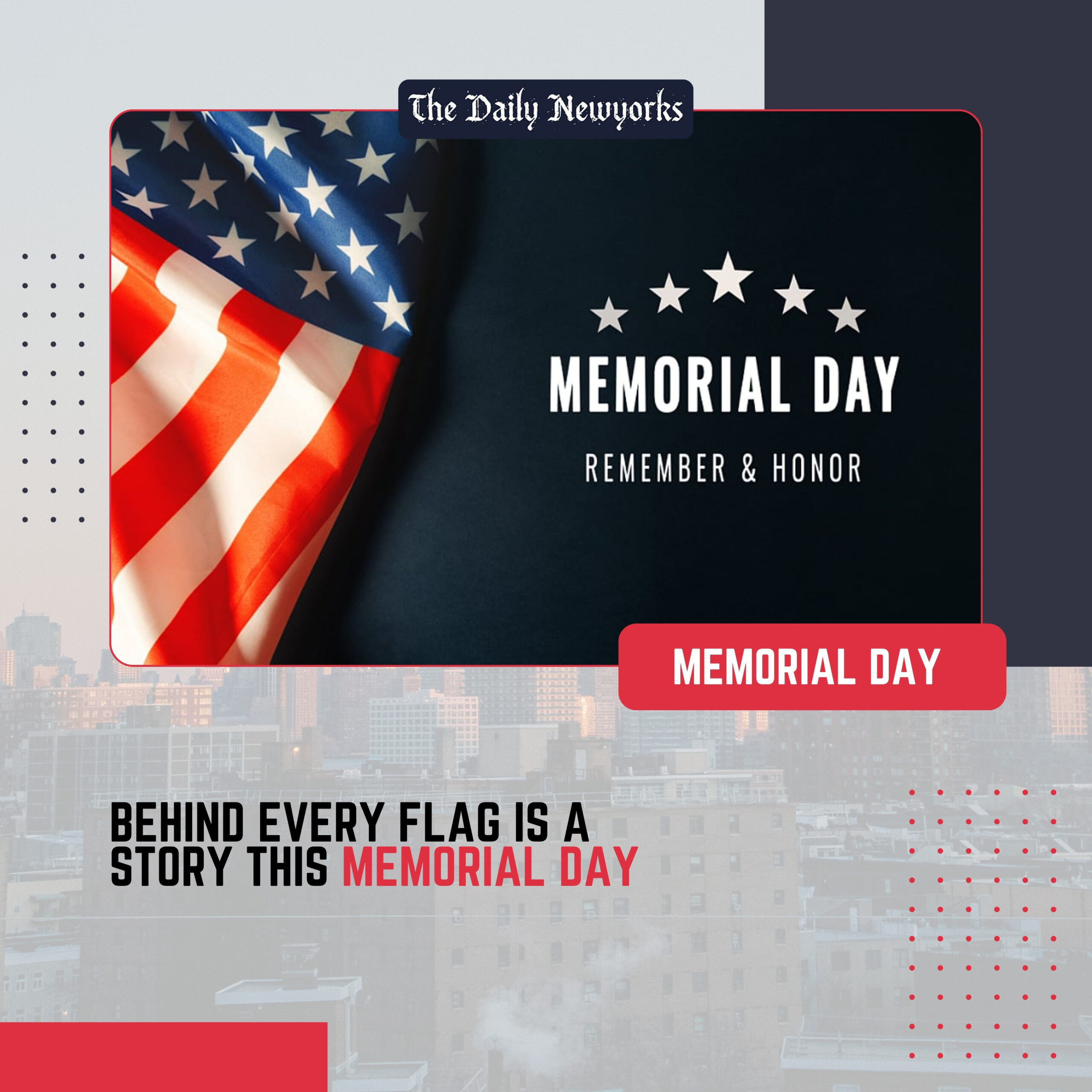
By Behind Every Flag Is a Story This Memorial Day
From military sacrifice to modern remembrance, Memorial Day has become more than a national holiday, it’s a reflection of courage, patriotism, grief, and the stories that continue to shape America.
The Holiday Built on Sacrifice and Remembrance
Every Memorial Day, millions of Americans gather for parades, family cookouts, beach trips, and long weekends. American flags wave outside homes, memorials, and city streets. Social media fills with patriotic tributes and emotional photographs.
Yet behind every flag displayed across the country is a story many people will never fully know.
The modern meaning of Memorial Day did not begin with retail sales or vacation plans. It began with grief, remembrance, and a nation trying to heal after war.
The origins of Memorial Day trace back to the years following the American Civil War, one of the deadliest conflicts in U.S. history. Communities across the country began honoring fallen soldiers by decorating graves with flowers, candles, and flags. The tradition became known as “Decoration Day.”
What started as local acts of remembrance slowly evolved into a national tradition.
By 1971, Memorial Day officially became a federal holiday observed on the last Monday of May, transforming a solemn day of mourning into one of America’s most recognized national holidays.
But the emotional meaning behind the day stretches far beyond ceremonies.
Before Modern Memorial Day: America’s Culture of Honor
Long before Memorial Day became official, societies throughout history created traditions to honor fallen warriors and protect the memory of sacrifice.
Ancient civilizations held ceremonies for soldiers who died in battle. Families preserved stories of courage through songs, monuments, and public rituals. In many cultures, remembrance became a way to preserve both identity and unity.
In America, military sacrifice became deeply tied to national identity after the Revolutionary War, the Civil War, and later global conflicts such as World War I and World War II.
Each generation inherited stories of loss and patriotism from the one before it.
What changed in the modern era was how Memorial Day became woven into both public culture and consumer culture simultaneously.
When Memorial Day Became Commercialized
Like many American holidays, Memorial Day eventually evolved into a commercial event alongside its emotional significance.
Retail brands recognized the long weekend as a major shopping opportunity. Travel industries promoted holiday vacations. Restaurants and entertainment venues turned Memorial Day into the unofficial start of summer.
Today, Memorial Day weekend generates billions of dollars in consumer spending across the United States.
Yet despite the commercialization, the emotional core of the holiday still survives.
Families continue visiting cemeteries. Veterans continue marching in parades. Communities still pause to honor military personnel who never returned home.
The holiday remains deeply personal for millions of Americans because remembrance itself carries emotional weight that cannot be replaced by advertisements or sales campaigns.
The Human Stories Behind Every Flag
What gives Memorial Day its emotional power is the reality that every American flag placed outside a home or memorial represents a human story.
- A son lost in combat
- A daughter remembered by her family
- A parent who served the country and never returned home.
Behind every uniform was a life filled with dreams, relationships, fears, and ambitions.
Many of these stories remain private, passed quietly through generations rather than recorded in history books.
For military families, Memorial Day often brings both pride and grief at the same time. While the country celebrates freedom and patriotism, many families revisit painful memories connected to sacrifice and loss.
That emotional complexity is part of what keeps the holiday meaningful even generations later.
Modern America’s Relationship With Patriotism
The meaning of patriotism has evolved dramatically in modern America.
Younger generations often express national pride differently than previous generations. Some connect patriotism with activism and civic engagement, while others focus on honoring veterans, supporting military families, or preserving historical memory.
Social media has also reshaped how Americans experience Memorial Day.
Platforms like Instagram, TikTok, and Facebook are now filled with personal tributes, military photographs, family stories, and remembrance videos every May. Many younger Americans are learning about relatives who served in wars through digital storytelling shared online.
Technology has transformed remembrance into a more public and connected experience.
But it has also created challenges.
Experts say the rapid pace of online culture sometimes risks reducing Memorial Day to trends, hashtags, or aesthetic patriotism rather than reflection. The deeper meaning of sacrifice can become overshadowed by entertainment and commercialization.
Still, millions of Americans continue using the holiday to reconnect with family history and national memory.
Why Memorial Day Still Matters Today
Despite changing times, Memorial Day continues to hold emotional significance because sacrifice remains timeless.
The holiday reminds Americans that freedom often carries a human cost. Behind every military memorial is someone who gave up a future, a family, and a life in service to something larger than themselves.
That reminder matters more than ever in a fast-moving world dominated by distraction and digital culture.
Studies continue showing that younger generations value authenticity, emotional connection, and personal storytelling. Memorial Day combines all three through remembrance.
For many Americans, the holiday has become less about politics and more about humanity.
It is a moment to pause.To reflect. To remember people instead of headlines.
New York’s Unique Connection to Memorial Day
In New York City, Memorial Day carries a unique emotional rhythm.
The city has long been shaped by resilience, immigration, sacrifice, and national identity. Veterans from every borough have served in nearly every major American conflict.
Across New York, local parades, memorial ceremonies, and cemetery tributes continue to bring communities together every year.
But New York also reflects modern America’s diversity better than almost anywhere else.
Military families, immigrant communities, first responders, and multigenerational households all contribute to the city’s relationship with remembrance.
Memorial Day in New York no longer belongs to one generation or one community alone.
And perhaps that is the modern meaning of the holiday itself: recognizing that sacrifice, courage, and remembrance exist across every background, neighborhood, and family story.
My Opinion
Memorial Day continues to endure because its emotional foundation remains deeply human.
Yes, the holiday became commercialized. Yes, social media changed how people experience it. But beneath the advertisements, travel plans, and long weekends remains something timeless: remembrance.
Behind every American flag is someone’s story.
- A story of courage
- A story of sacrifice
- A story of love, loss, and service
In a society constantly moving forward, Memorial Day forces people to slow down and acknowledge those who gave everything for the country.
That recognition still matters.
The holiday’s true power is not found in sales promotions or celebrations. It is found in memory, gratitude, and reflection, things modern culture often forgets to prioritize.
And perhaps that is why Memorial Day continues to survive across generations and changing times.
Because no matter how much the world evolves, the need to honor sacrifice never disappears.
Reporting by The Daily Newyorks Staff.