

 By
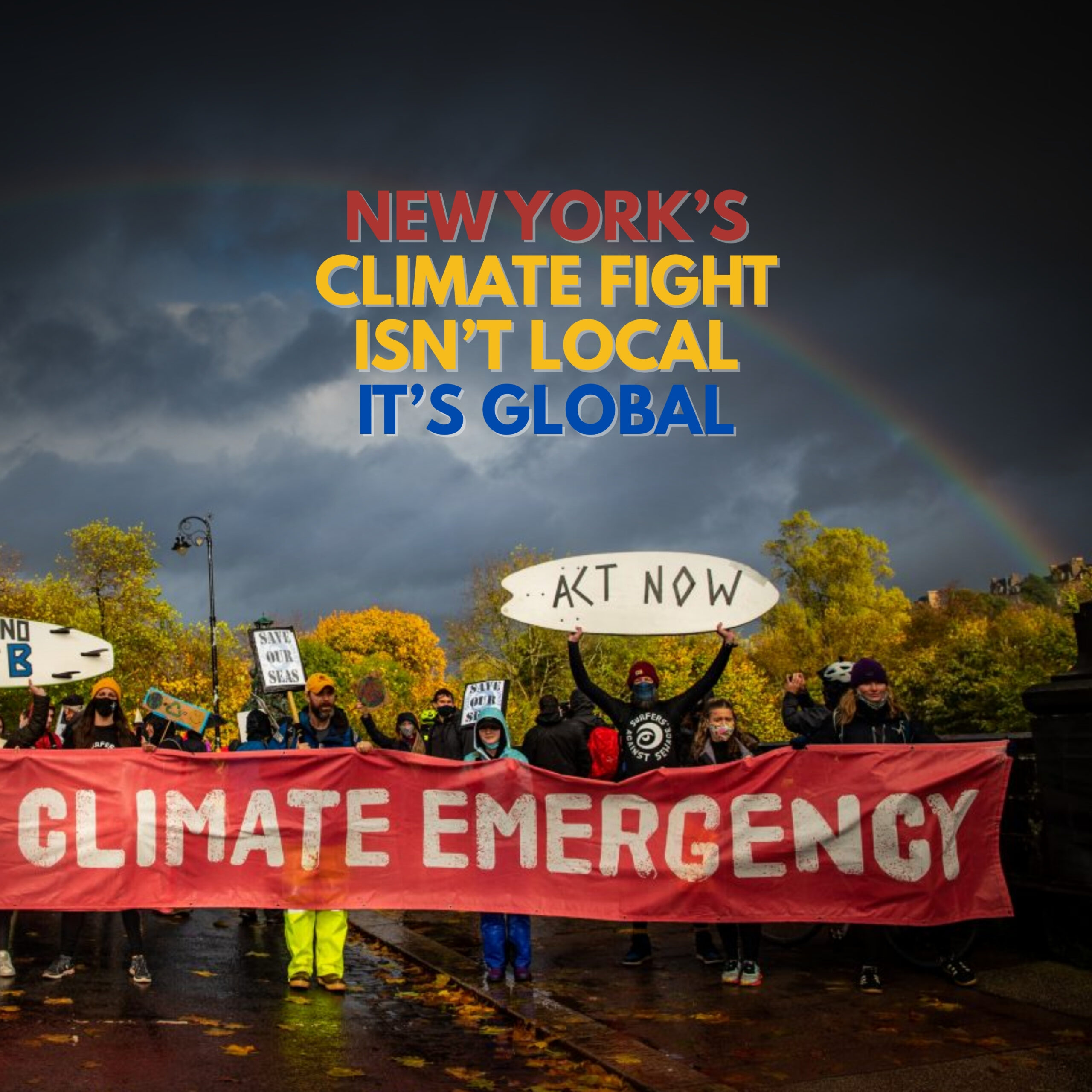
By New York’s Climate Fight Isn’t Local, It’s Global
As the city battles housing shortages and rising rents, its struggle reveals a much bigger story, one that connects to global cities facing the same heat.
A City on Tightly Packed Ground
Last week, a young family in Queens squeezed six people into a one-bedroom apartment. The story isn’t rare; it’s real life for many New Yorkers.
With rental units hard to find and prices climbing, space has become a luxury. According to the latest city data, New York’s rental vacancy rate dropped to 1.4% in 2023, the lowest since the 1960s (NYC Comptroller’s Office).
That means for every hundred rental units, only one or two are empty. The rest are packed. The city’s housing crunch isn’t just about comfort anymore, it’s about survival.
The question is: Can action catch up before the situation does?
What’s the Core Problem?
Supply Is Way Too Small
For years, New York built far fewer homes than it needed. Between 2010 and 2023, housing supply grew by just 4%, while jobs jumped 22% (Wikipedia).
It’s simple math: more people, more jobs, but not enough homes. The result, a market so tight that finding a place feels like winning a lottery.
Cost Pressures Hit Hard
In 2022, around 38.9% of households in New York State were “cost-burdened,” meaning they spent 30% or more of their income on housing (Office of the New York State Comptroller).
For renters in New York City, it’s worse: over 52% pay more than a third of their income on rent.
One survey showed 73% of New Yorkers now see housing affordability as a “major problem” (National Low Income Housing Coalition).
Hidden Stress: Overcrowding and Inertia
Over 170,000 households in New York City are “severely overcrowded,” meaning more than 1.5 people share a single room (Citizens Budget Commission).
At the same time, many residents can’t afford to move. Staying put feels safer than facing higher rent somewhere else. But that creates a deadlock: no one moves, no new units open up, and the cycle continues.
Why It Matters
Tight housing doesn’t just mean smaller apartments, it shapes the city’s future.
Families spending too much on rent have less left for food, health care, or education. Businesses struggle to hire when workers can’t afford to live nearby.
The Citizens Budget Commission found that underbuilding contributed to 160,000 residents leaving the city in 2022. That’s not just a number; that’s talent, energy, and diversity walking away.
Overcrowding also brings health risks. According to NYC Health, cramped homes raise stress, illness, and even learning difficulties in children. When housing fails, everything else — work, study, health, starts to crack.
What’s Being Tried
City and state leaders are trying to respond. In 2024, New York City financed 2,825 affordable housing units for its lowest-income residents, the highest number ever recorded (NYHC).
Other efforts include:
- Zoning reforms to allow more housing near transit lines.
- Incentives for developers to build affordable homes.
- Tenant protection measures to preserve existing housing stock.
Still, experts warn it’s not enough. The Citizens Budget Commission calls the housing shortage “massive and growing larger every year.”
How New Yorkers Feel It
Maria, a single mother in the Bronx, works full-time but still spends half her pay on rent.
“I feel stuck,” she says. “Moving means paying more. Staying means never saving.”
In Manhattan, a young couple gave up their search after realizing even a small apartment was far beyond reach. For them, homeownership feels like a dream, not a plan.
These stories repeat across boroughs. When space shrinks and prices soar, dreams shrink too. People live farther from work, spend longer on commutes, and see less of their families.
A Global City Problem
New York’s housing squeeze isn’t just a local story;it’s a global one. From London to Tokyo, Paris to Toronto, major cities face the same storm: too few homes, too high costs, and growing inequality.
Climate change adds another layer. Rising sea levels threaten coastal housing. Energy costs climb. Rebuilding sustainably means balancing green goals with affordability.
New York’s “climate fight” is part of this worldwide challenge, one that links housing, economy, and environment. If the city wants to remain a global hub, it must solve all three together.
What Experts Say
Urban policy researcher Dr. Helen Zhou explains:
“When housing supply stays too low for too long, cities lose their edge. People leave, costs rise, and growth slows. New York risks losing its ‘city of opportunity’ label unless it acts now.”
Economist Rafael Ortiz adds:
“Affordable housing is a climate policy, too. Building smarter, greener homes helps both the planet and the people.”
Their message is clear; housing isn’t just social policy; it’s economic and environmental policy rolled into one.
The Path Ahead
Can New York fix this before it breaks? Possibly, but only through bold and fast action.
Experts point to a few key steps:
- Build More, and Build Fair: Expand housing production, especially for middle- and low-income families.
- Protect Affordability: Make sure new homes don’t just serve the wealthy.
- Encourage Mobility: Help residents move into homes that fit their needs.
- Plan for Equity: Ensure every neighborhood shares in growth, transit, and opportunity.
These steps need coordination between city planners, state leaders, and the private sector to match the scale of the crisis.
My Opinion:
New York’s housing fight is no longer just about rent, it’s about who gets to live, work, and dream here. The numbers show a clear warning: too little housing, too high costs, and too many people left behind.
But there’s still time to act. The city has solved big challenges before, from public transit to public health. With the right mix of policy, will, and urgency, it can do it again.
The question is: Will New York move fast enough before the cost, human and economic, becomes too high?
Reporting by The Daily Newyorks Staff Writer.