

 By
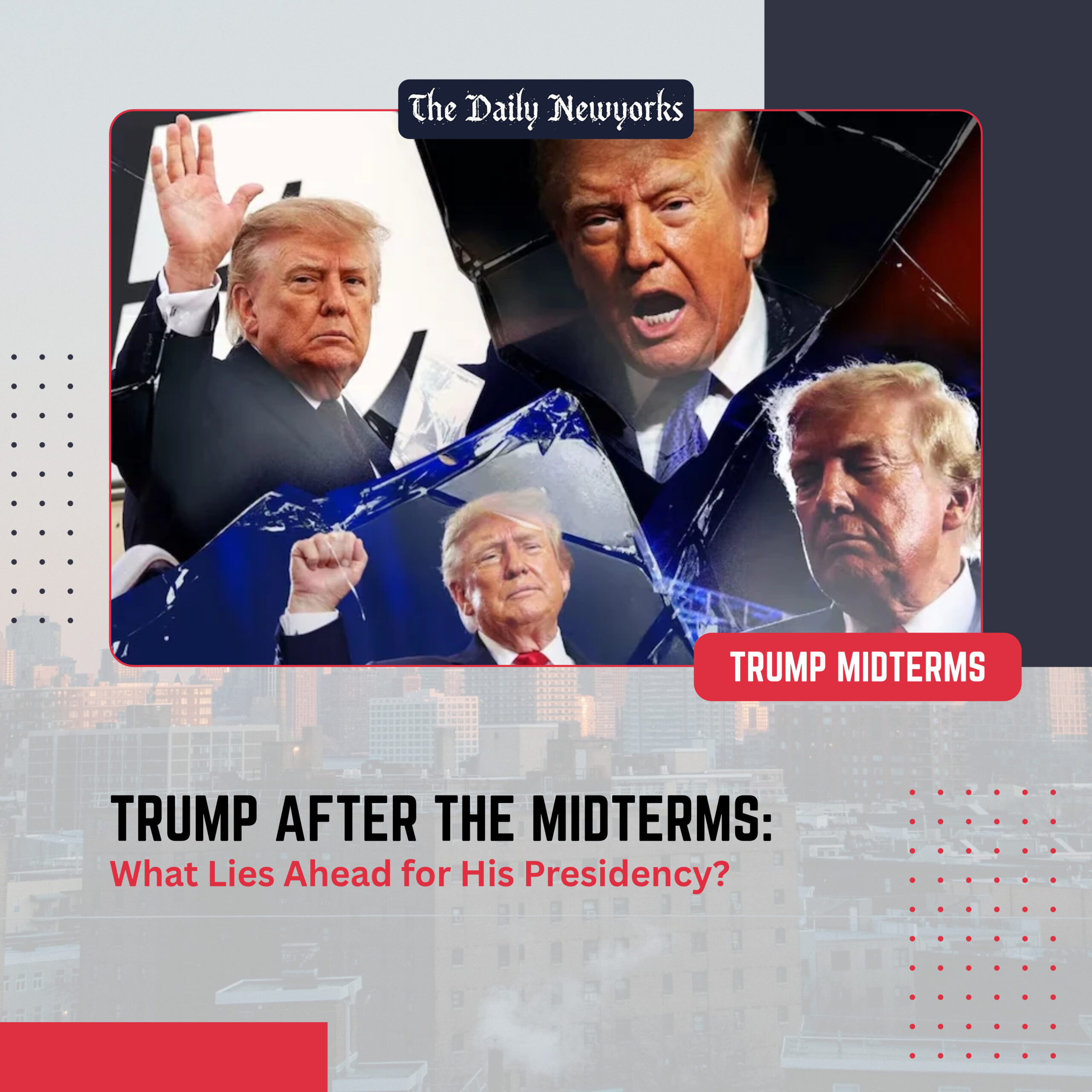
Trump After the Midterms: What Lies Ahead for His Presidency?
Washington is entering a new political chapter. Following the November 2026 midterm elections, Democrats have secured control of both chambers of Congress, creating a major challenge for President Donald Trump. The results have changed the balance of power and raised fresh questions about his remaining two years in office.
Trump still has the White House, executive authority, and a strong political following. But governing without a friendly Congress could become a very different experience. From economic pressure and congressional investigations to foreign policy disagreements and the upcoming 2028 presidential race, the next two years could reshape American politics.
Political power struggles are not limited to Washington. New York has also experienced its share of leadership battles and policy disagreements. Our previous coverage of political power struggles reshaping New York leadership explores how political decisions can influence communities and the direction of government.
The question is no longer simply whether Trump can continue his agenda. It is how much of it he can actually deliver.
Trump’s Political Future: What Happens After the Midterms?
A Midterm Election That Changed Washington
The November 3 elections delivered a significant shift in American politics. Democrats won control of both the House of Representatives and the Senate, giving the opposition party a stronger position to challenge Trump’s administration.
According to Reuters, Democrats secured a Senate majority of at least 54–44 and gained at least 30 seats in the House.
The results were particularly important because Democrats made gains in traditionally Republican states, including Texas, South Carolina, Iowa, and Kansas.
But what made this election more interesting was the role of the economy.
According to the Associated Press Voter Poll, which surveyed more than 100,000 midterm voters, nearly nine in ten Americans considered the cost of living a major or crucial factor in their voting decisions. Around two-thirds also said Trump’s policies had contributed to inflation.
CBS News exit polls placed Trump’s approval rating at approximately 38% on Election Day. Roughly three-quarters of voters were dissatisfied or angry about the direction of the country.
These figures suggest that economic concerns and dissatisfaction with the administration played an important role in the election.
Now, the political consequences are beginning to take shape.
What a Democratic Congress Means for Trump
For the first two years of his second term, Trump had a Republican-controlled Congress to help advance his legislative priorities. That political arrangement is about to change.
When the new Congress takes office in January 2027, Democrats will control both chambers. This could make passing major legislation much more difficult for the president.
Policies involving immigration, taxation, federal spending, healthcare, and trade could face stronger opposition.
However, losing congressional support does not mean Trump loses his presidential powers. He can still sign executive orders, direct federal agencies within the limits of the law, negotiate with international leaders, and veto legislation.
The Constitution also gives Congress the ability to override a presidential veto, but doing so requires a two-thirds majority in both chambers (U.S. Senate).
What could happen next?
Washington could experience two years of political gridlock. Democrats may introduce legislation that challenges Trump’s priorities, while the president could use his veto power to block measures he opposes.
The result could be fewer major legislative agreements and more political confrontations.
For ordinary Americans, this could mean continued uncertainty over important domestic policies.
The Economy Could Decide Trump’s Political Future
The economy may become Trump’s biggest challenge during the remaining years of his presidency.
For millions of Americans, political promises matter less than grocery bills, rent, electricity, healthcare, and gasoline prices. If these expenses continue putting pressure on household budgets, the administration could find it difficult to regain public confidence.
The 2026 election figures highlight this problem.
The Associated Press Voter Poll found that nearly nine in ten voters considered the cost of living an important factor in their decisions. The same report noted that consumer prices had increased by 3.7% over the previous year.
This economic frustration could become a major political issue throughout 2027.
Economic concerns are not limited to Washington. Across New York, housing costs and affordability have become important political issues. Our coverage of New York’s political tug-of-war and housing crisis explores how financial pressures can influence political decisions and local leadership.
Three economic developments could shape Trump’s remaining term:
- Inflation and Household Expenses
If prices continue rising, Democrats will likely use the issue to challenge the administration’s economic record. Trump, meanwhile, will need to demonstrate that his policies can improve everyday affordability.
- Employment and Business Growth
A stronger job market and improved business confidence could help the president defend his economic policies. However, economic growth will need to translate into better financial conditions for ordinary households.
- Tariffs and International Trade
Trump’s trade policies could remain a source of disagreement between the White House and Congress. Their effects on businesses, consumers, and international relationships will attract greater attention.
Our prediction is that the economy will remain one of the most important factors shaping Trump’s political position. If households begin feeling financial relief, the administration could regain some ground. If living costs remain high, Democrats may find more opportunities to challenge his leadership.
Could Congressional Investigations Put Trump Under Pressure?
A Democratic-controlled Congress will have greater opportunities to investigate the Trump administration.
Congressional committees can hold public hearings, request documents, question government officials, and examine federal spending and executive decisions.
These powers could become particularly important during the next two years.
Democratic lawmakers have already indicated that accountability and oversight will be major priorities. According to Reuters, the incoming Democratic leadership has promised to use its congressional majority to place greater scrutiny on the administration.
The investigations could cover several areas, including immigration enforcement, government spending, executive decisions, and the administration’s handling of foreign policy.
Could impeachment become part of the conversation?
It is possible that some lawmakers will push for impeachment proceedings if investigations produce serious allegations.
However, impeachment and removal from office are two different processes.
The House can approve articles of impeachment through a simple majority. The Senate then conducts a trial, where conviction requires a two-thirds vote of members present.
That means even if Democrats control both chambers, removing Trump from office would require significant support beyond a simple party majority (U.S. Senate Impeachment Guide).
Our prediction is that congressional investigations and public hearings are more immediate possibilities than removal from office. These developments could keep the administration under pressure and dominate political discussions throughout 2027.
The Republican Party Could Face a Leadership Crisis
The midterm results have also created a difficult moment for the Republican Party.
Trump remains one of the most influential figures in Republican politics. However, losing control of Congress could encourage more party members to question their current political strategy.
Some Republicans may continue defending Trump’s policies, while others could begin looking for a different direction ahead of the 2028 presidential election.
Vice President JD Vance will be one of the important figures to watch.
Vance could emerge as a central figure in discussions about the party’s future. His political position, relationship with Trump, and ability to build support among Republican voters could become increasingly important.
Other Republican politicians may also attempt to establish their own national profiles.
The bigger question is whether the party will continue following Trump’s political approach or gradually prepare for a new generation of leadership.
What could happen next?
We could see more disagreements within Republican ranks, particularly over congressional strategy, economic policies, and the party’s future presidential candidate.
Trump may continue influencing Republican politics through endorsements and public appearances, but maintaining party unity could become more complicated.
Foreign Policy Could Become Another Political Battleground
Trump’s foreign policy decisions could face greater scrutiny as Democrats take control of Congress.
The ongoing US-Iran conflict has already become an important issue in the political debate. Concerns about military involvement, energy prices, and the economic consequences of the conflict were among the issues highlighted in reporting on the midterm results.
According to Reuters’ election analysis, voters expressed significant concerns about the economic effects of the conflict and the administration’s foreign policy decisions.
The new Congress could demand more information about military spending, diplomatic decisions, and America’s international commitments.
However, the president will retain substantial authority over foreign policy and military operations.
The relationship between Washington and New York leadership also deserves attention. Federal and local political disagreements can influence housing, public safety, and economic priorities. Our article on Trump’s political engagement with New York leadership provides additional context on this relationship.
What should Americans expect?
More congressional hearings and disagreements over military funding could become part of Washington’s political landscape.
Trump may continue pursuing his international objectives, but securing congressional cooperation could become more complicated.
The way his administration handles international conflicts and relationships with major trading partners could also influence the country’s economic outlook.
Immigration could remain another major point of disagreement between the White House and Democratic lawmakers. Trump’s earlier migration restrictions have already sparked debate about their impact on immigrant communities. Our coverage of Trump’s migration freeze and its impact on New York examines another important part of this political discussion.
The Road to 2028 Could Begin Earlier Than Expected
Although the next presidential election is scheduled for November 2028, the political race could begin taking shape much earlier.
For Democrats, controlling Congress provides an opportunity to introduce legislation, establish a political record, and develop potential presidential candidates.
For Republicans, the challenge will be deciding who should lead the party after Trump.
JD Vance could attract considerable attention, but other Republican figures may also seek support from voters who want a different direction.
Trump himself will remain an important influence. His endorsements, public statements, and relationship with Republican lawmakers could shape the early stages of the next presidential contest.
Our prediction: The 2028 presidential race could become a battle over the future identity of both political parties.
Democrats will need to demonstrate that their congressional majority can deliver meaningful results. Republicans will need to explain how they intend to rebuild their political position after the midterm setback.
The next two years could provide an early indication of which direction American politics is heading.
What Could Trump’s Final Two Years Look Like?
The midterm results have created a different political environment for Trump. But the election does not mean his presidency is coming to an immediate end.
The president still has executive authority, while Democrats will have greater influence over congressional legislation and oversight.
Several developments could define the remaining two years:
Political Gridlock
Disagreements between the White House and Congress could make it difficult to pass major legislation.
More Congressional Investigations
Democratic lawmakers could use their committee powers to examine administration decisions and demand greater accountability.
Economic Pressure
Inflation, household expenses, employment, and energy prices could remain central to public discussions about Trump’s leadership.
Republican Leadership Changes
The party could begin preparing for a future beyond Trump’s presidency, with JD Vance and other political figures attracting attention.
An Early 2028 Election Debate
Both parties could start building their political strategies well before the next presidential election.
These are possible developments rather than guaranteed outcomes. Much will depend on economic conditions, congressional negotiations, and the administration’s decisions.
What Comes Next for Trump?
The 2026 midterm elections have changed Washington, but they have not ended Trump’s political influence.
The president now faces a Congress controlled by his political opponents, a dissatisfied electorate, and growing questions about the Republican Party’s future.
The next two years could bring political negotiations, congressional investigations, economic challenges, and disagreements over America’s international role.
If Trump manages to improve economic conditions and negotiate with Democrats, he could make progress on some of his remaining priorities. But if political disagreements dominate Washington, his final years in office could become increasingly difficult.
For Democrats, winning Congress is only the beginning. They will also need to show voters that their leadership can deliver results.
And for Republicans, the bigger challenge may be preparing for the political future after Trump.
One thing is certain: the November 2026 elections have opened a new chapter in American politics. Whether it becomes a period of compromise or continued confrontation will depend on the decisions made in Washington over the next two years.
Trump still has the presidency. But the political road to 2028 has become much more complicated.
Reporting by The Daily Newyorks Staff Writer.