
 By
By The Untold History of Mother’s Day and Its Modern Meaning
From ancient traditions to modern celebrations, Mother’s Day has evolved into more than a holiday, it’s a reflection of love, sacrifice, culture, and the changing role of mothers in society.
The Day That Began With Grief and Gratitude
Every May, millions of people rush to buy flowers, gifts, and greeting cards for Mother’s Day. Restaurants overflow with families. Social media fills with emotional tributes. Yet few people know how this global celebration truly began.
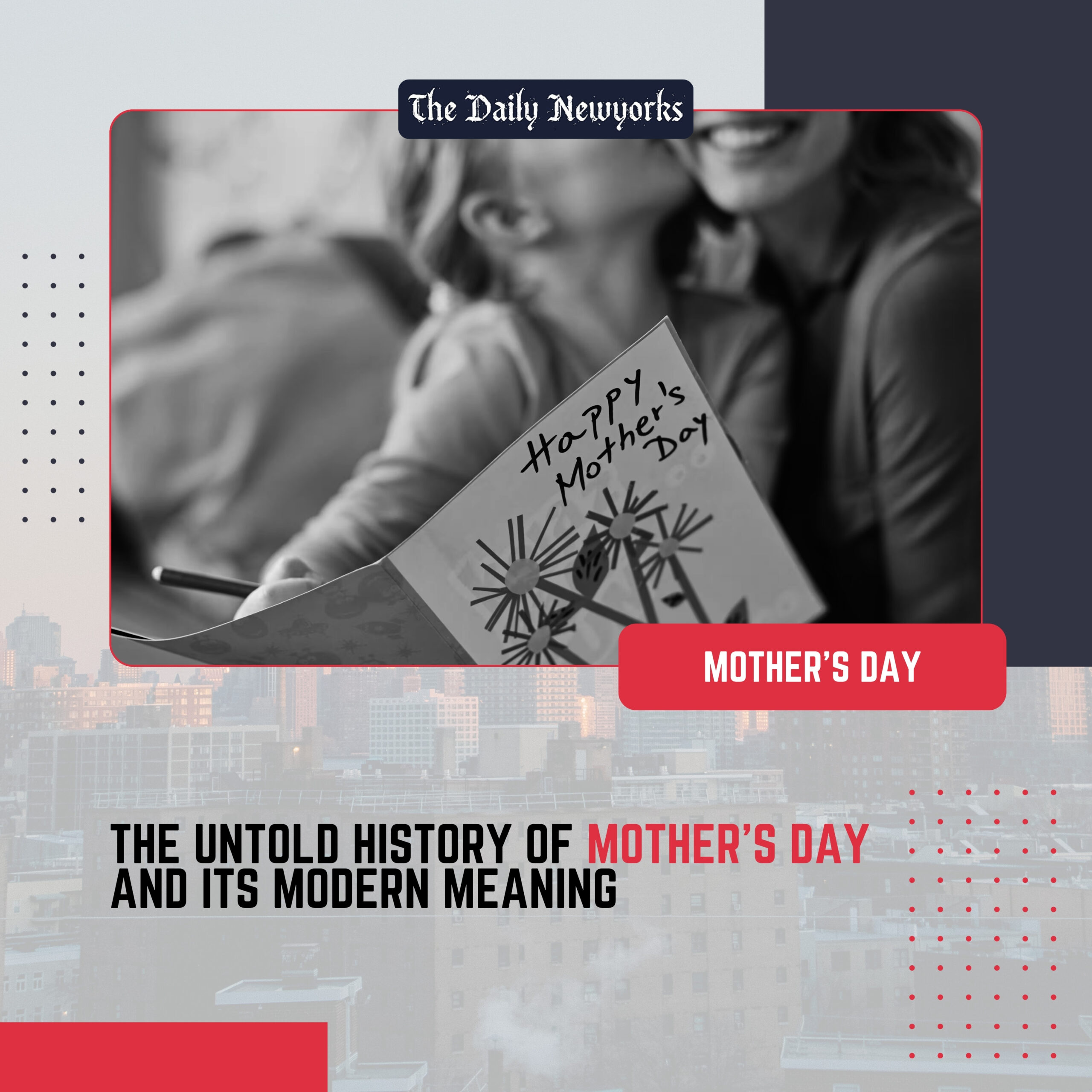
The modern version of Mother’s Day started not with commercial campaigns or brunch reservations, but with a daughter’s deep love for her mother.
In 1908, Anna Jarvis organized the first official Mother’s Day memorial in West Virginia to honor her late mother, Ann Reeves Jarvis, a community activist who cared for wounded soldiers during the American Civil War and promoted public health for women and children.
Jarvis wanted mothers to be recognized not for perfection, but for sacrifice.
By 1914, U.S. President Woodrow Wilson officially declared the second Sunday of May as Mother’s Day, turning a personal tribute into a national holiday.
But the story of honoring mothers stretches much further back than America.
Before America: Ancient Roots of Motherhood Celebrations
Long before modern Mother’s Day existed, ancient civilizations celebrated motherhood in spiritual and cultural ways.
In ancient Greece, festivals honored Rhea, the mother of the gods. Romans celebrated Hilaria, a spring festival dedicated to Cybele, another maternal figure. In the United Kingdom during the 16th century, “Mothering Sunday” allowed workers to return home and visit their mothers during Lent.
Across cultures, motherhood represented care, creation, protection, and continuity. The forms changed, but the meaning stayed remarkably similar.
What changed in the modern era was commercialization.
When Mother’s Day Became an Industry
Ironically, Anna Jarvis later became one of Mother’s Day’s biggest critics.
She believed businesses had turned a meaningful tribute into a profit-driven holiday. Florists, card companies, jewelry brands, and restaurants quickly recognized the emotional and financial power of the celebration.
Today, Mother’s Day is one of the world’s largest consumer holidays. According to the National Retail Federation, Americans spent over $35 billion on Mother’s Day in 2024, covering everything from flowers and electronics to vacations and luxury dining.
Yet despite the commercialization, the emotional core of the day still survives.
People continue celebrating because motherhood remains deeply tied to identity, family, memory, and emotional connection.
Mothers in the Modern World
The meaning of motherhood has evolved dramatically in the 21st century.
Today’s mothers often balance careers, parenting, caregiving, finances, and personal ambition all at once. In cities like New York, where living costs continue to rise, motherhood is increasingly shaped by economic pressure and changing family structures.
According to the U.S. Bureau of Labor Statistics, nearly 72% of mothers with children under 18 participate in the workforce. At the same time, childcare costs in New York remain among the highest in the country.
For many women, motherhood now involves navigating both professional expectations and emotional responsibilities simultaneously.
“Modern motherhood is no longer confined to one role,” says family sociologist Dr. Elena Brooks. “Women are expected to be caregivers, earners, mentors, and emotional anchors all at once.”
This shift has transformed how society views Mother’s Day itself.
For some, it’s a celebration. For others, it’s a reminder of loss, distance, sacrifice, infertility, or grief. The holiday now carries emotional complexity alongside appreciation.
The Social Media Generation of Motherhood
Technology has also reshaped motherhood in unexpected ways.
Platforms like Instagram and TikTok have created a new digital culture around parenting. Mothers now share advice, routines, struggles, and milestones publicly with millions of viewers.
This visibility has helped normalize conversations around postpartum depression, work-life balance, mental health, and parenting challenges.
But it has also introduced pressure.
Perfect family photos, curated lifestyles, and constant comparisons can create unrealistic standards for modern mothers. Experts say many women feel caught between authenticity and online expectations.
Still, social media has also made motherhood more connected than ever before. Communities now form across cities and countries, offering support that previous generations often lacked.
Why Mother’s Day Still Matters
Despite changing times, Mother’s Day continues to hold emotional power because motherhood itself remains universal.
Nearly everyone is shaped by a maternal figure: a mother, grandmother, guardian, mentor, or caregiver. The holiday reminds society to pause and recognize emotional labor that often goes unnoticed.
And that labor matters more than ever.
Studies from the Pew Research Center show mothers still perform the majority of caregiving and household responsibilities, even in dual-income households. During the pandemic years, women carried disproportionate childcare burdens while balancing remote work and economic uncertainty.
Motherhood became not just a personal role, but a social stabilizer.
That impact continues today.
New York’s Unique Relationship With Motherhood
In New York City, Mother’s Day carries a different rhythm.
The city’s pace makes parenting uniquely demanding. Long commutes, rising rents, competitive schools, and expensive childcare place enormous stress on families.
Yet New York also reflects modern motherhood’s diversity better than almost anywhere else.
Single mothers, immigrant families, LGBTQ+ parents, career-driven women, stay-at-home mothers, and multigenerational households all shape the city’s identity.
Motherhood in New York no longer follows one definition.
And perhaps that’s the modern meaning of Mother’s Day itself: recognizing that care and sacrifice exist in many forms.
My Opinion
Mother’s Day has survived for more than a century because its emotional foundation is timeless.
Yes, the holiday became commercialized. Yes, social media changed how people celebrate it. But beneath the flowers, brunches, and advertisements remains something deeply human: gratitude.
In a world moving faster every year, Mother’s Day forces people to slow down and acknowledge those who helped shape them.
That recognition still matters.
The holiday’s true power is not in gifts or cards. It’s in remembrance, appreciation, and connection, things modern society often forgets to prioritize.
And perhaps that’s why Mother’s Day continues to endure across generations, cultures, and changing times.
Because no matter how much the world evolves, the need for care, family, and human connection never disappears.
Reporting by The Daily Newyorks Staff.