

 By
By On Location: How TV Productions Are Painting the Streets of New York
From Midtown sidewalks to Brooklyn blocks, TV crews are transforming city streets into film sets, and New Yorkers are noticing.
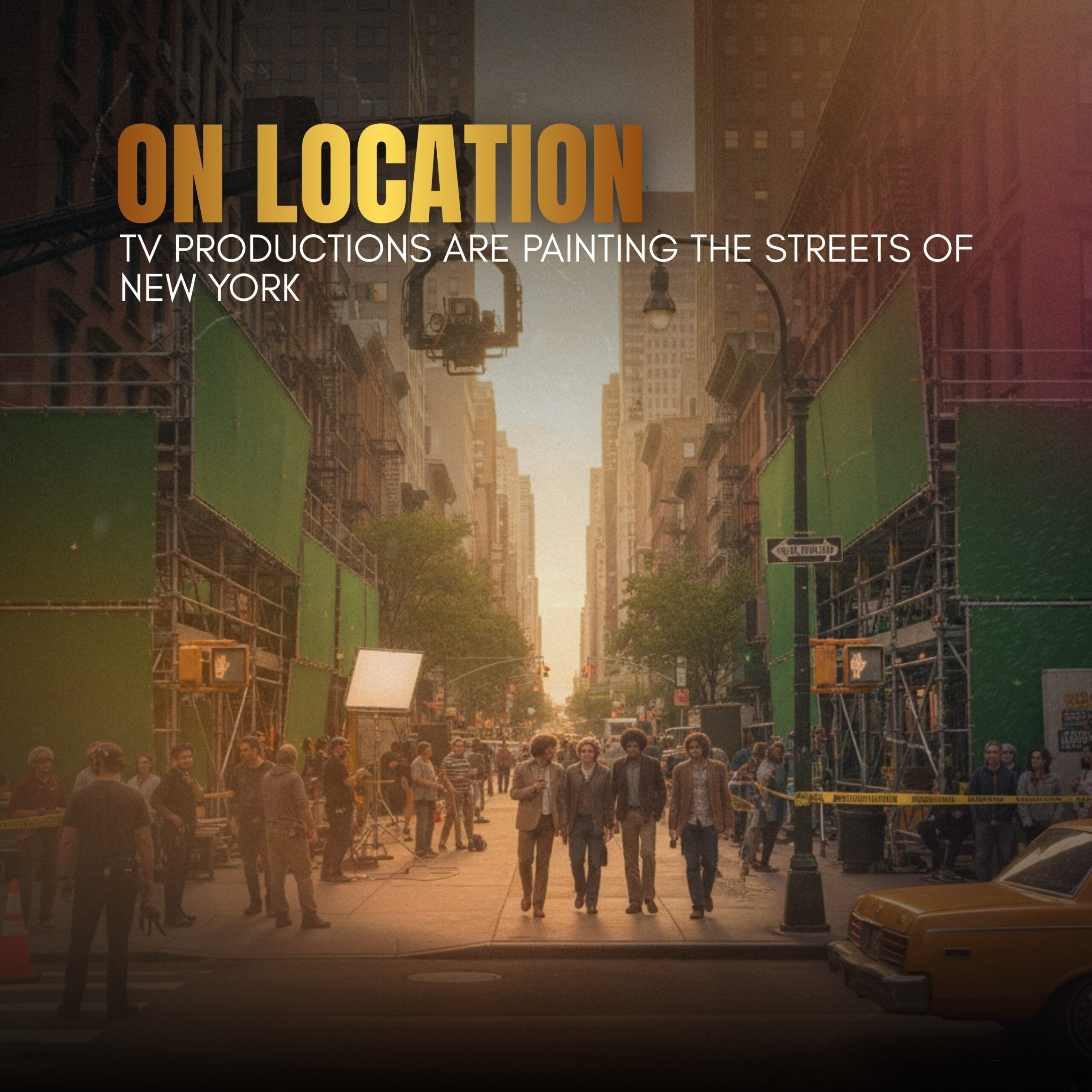
Last week in SoHo, a crowd gathered as bright lights and cameras shut down a street corner for a major TV shoot. Trucks with “Production Parking” signs lined Broadway and sidewalks were taped off.
This isn’t just a one-off. The streets of New York are becoming the backdrop of more and more television productions, and that means big changes for the city.
What’s going on on-the-streets?
TV productions often need real city streets to make their scenes feel genuine. In New York, that means closing off blocks, painting over signs, bringing in extra lights, setting up gear. The crews can turn a regular corner into “1950s Manhattan” or a gritty subway scene in minutes.
It grabs your attention. And for many residents, it means their everyday path or view suddenly becomes part of a show.
Behind the scenes, the numbers are telling. In 2019, the city’s film and TV industry supported about 185,000 jobs and produced a total economic output of roughly $81.6 billion.
The average salary in that industry in that year was about $121,000, about 33% higher than the city-wide average.
Another sign: filming permits in public space help track the activity. In 2020, for example, Manhattan had over 1,000 public-space film shoot permits.
So when you see crew vehicles, lighting rigs or a “Quiet: Filming in Progress” sign on your street. You’re seeing part of a big business.
Why New York?
There are several good reasons producers pick New York. It has iconic skylines, diverse neighborhoods, recognizable landmarks and a built-in energy. The city can stand in for itself, or for somewhere else with the right set dressing. One report found that four of New York City’s landmarks are in the U.S. top-ten for most-filmed locations.
Plus, the state and city governments have supported the industry with tax credits and incentives.
For example, the New York State Governor’s Office of Motion Picture & Television Development says the film and TV industry in the state supports 65,000+ jobs per year through tax incentives and more than $13 billion in wages.
For productions, that makes New York a competitive choice, even if the logistics are tougher than in smaller cities.
Painted Streets & City Life
When a TV show takes over your street, you might see things like:
- Traffic rerouted or parking spaces blocked off.
- Bright lights and noise late at night.
- Signage or storefronts temporarily changed for the scene.
- Extra uniforms, crew members and equipment parked nearby.
Residents and local businesses feel these changes. Some enjoy the excitement and potential exposure (“Hey, my café was in the background!”). Others find it disruptive: blocked sidewalks, late hours, generator noise.
Indeed, one city website notes that while production can bring local spending, “large film shoots can disrupt daily business operations.”
The Economy Behind the Scenes
The street‐level impact is visible. But behind that is a large economic engine. The 2019 report says the film and TV industry in New York City supported about 185,000 jobs and nearly $18.1 billion in wages.That includes people on-screen, crew, post-production, suppliers (caterers, equipment rental, transport).
Those jobs matter. For New Yorkers they mean livelihoods and local businesses benefit when crews buy meals, rent space, use local services.
On the flip side: the industry is also going through a change. A report noted that global production declined by 20% in 2024 and in the U.S. by roughly 40% compared to pre-strike levels. New York is not immune. The downturn means fewer shoots, less spending, and fewer street closures.
Impact on New Yorkers
For everyday New Yorkers the effects are mixed:
- Jobs: More productions mean more jobs. For example, as mentioned above, roughly 185,000 jobs across the city were linked to film and TV in 2019.
- Local business: When a production is nearby, restaurants, cafes and equipment vendors get more customers.
- Neighborhood change: Frequent filming in a neighborhood can drive up rents, change traffic patterns and shift the vibe.
- Quality of life: Street closures, noise, late nights. These are real disruptions for residents.
- Future prospects: If production stays strong, the city maintains its role as a media capital. If it slows, there could be fewer opportunities and less investment in neighborhoods.
In short: for many locals, seeing a street turned into a TV set is exciting. But it also raises questions about who benefits and what gets changed in the process.
“Every time we film on a new block, we’re telling a story of the city,” said Maria Lopez, location-manager for a major TV series filming in Manhattan. “But we always try hard to respect the neighbors. We ask crews to keep noise down, set times early, and we coordinate parking so locals aren’t blocked out longer than needed.”
The Outlook: What’s Next?
Will we see more of the streets painted by TV productions? Possibly yes. New York has the backdrop, the talent and the infrastructure (studios, crews, locations) to remain a go-to place. Yet the industry faces headwinds: global competition, rising costs, fewer productions since the strikes and pandemic.
So for New Yorkers: stay alert. The next time you see lights on your block, that’s not a party. It might be a scene. And as you walk your usual route, you might just be passing by the set of tomorrow’s hit show.
My Opinion
In the heart of the city, the cameras keep rolling, transforming sidewalks into scenes, and neighborhoods into back-lots. The street where you live, work, or stroll might become part of a TV show.
That raises exciting opportunities, real disruption, and important questions. As New York continues to host TV productions, we also ask:
How will the city balance shine and real-life? And what kind of streets will we walk on tomorrow?
Reporting by The Daily Newyorks Staff Writer.