
 By
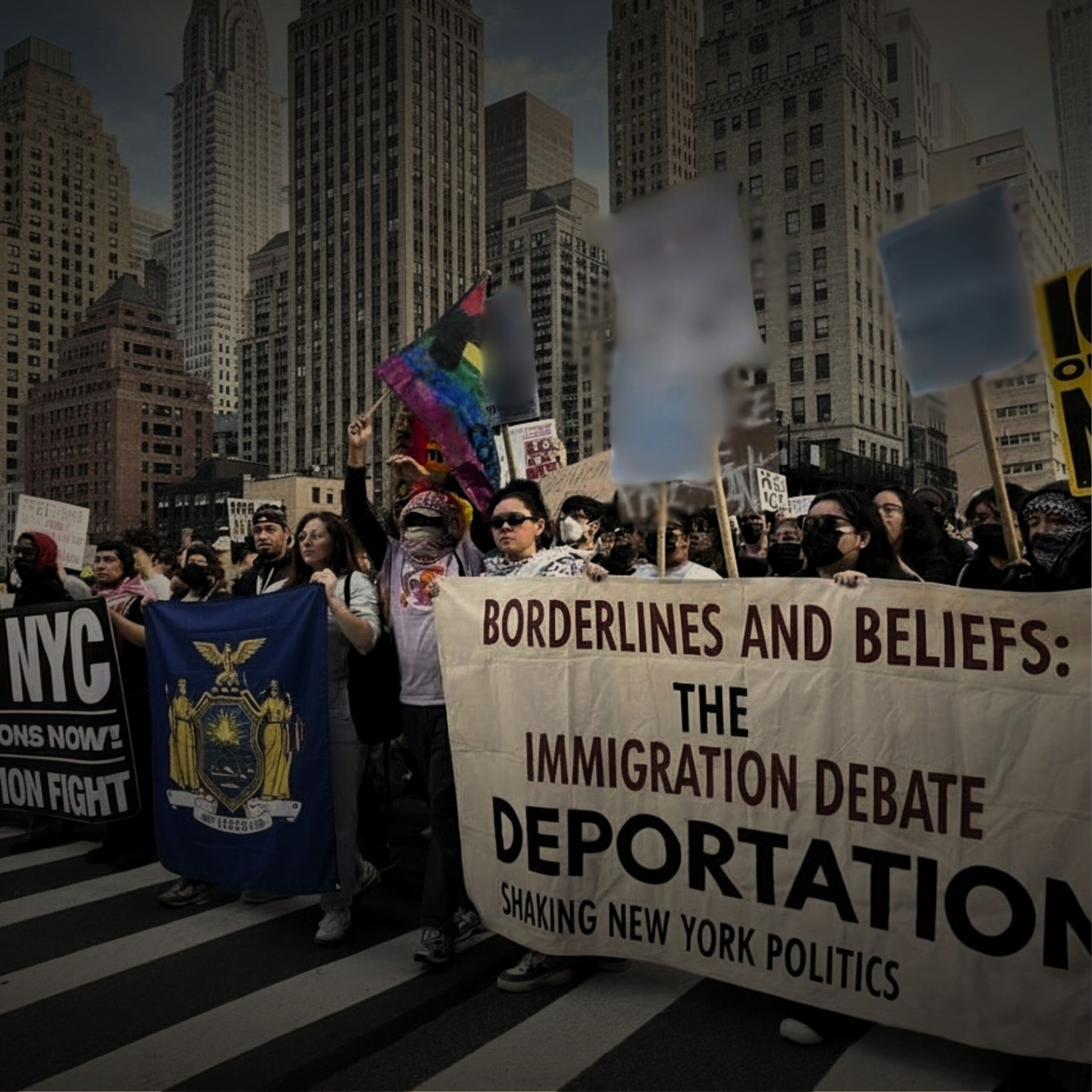
By Borderlines and Beliefs: The Immigration Debate Shaking New York Politics
As new migrants fill New York’s shelters and streets, city leaders face tough questions about budgets, borders, and belonging.
The City That Never Sleeps Faces a New Test
New York is used to noise: sirens, subway rush, protests, parades. But lately, the loudest sound in the city comes from its politics. The topic? Immigration.
This year, more than 180,000 migrants have arrived in New York City since 2022, according to City Hall data. Many came seeking safety, work, and a chance at a better life. But the sudden wave has stretched shelters, hospitals, and schools to their limits.
Mayor Eric Adams warned that the crisis could “destroy New York City” if more help doesn’t come from the federal government. His words sent shockwaves across political lines, sparking a heated debate that now defines the city’s future.
A City Built by Immigrants, Now Divided by Policy
New York has always been a city of immigrants. From Ellis Island to Queens, its story is shaped by people who came from somewhere else. About 36% of New Yorkers today were born outside the U.S., based on U.S. Census data.
So why the tension now?
The answer lies in numbers, and resources. The city spends around $10 million per day to care for migrants, according to official estimates. That includes food, shelter, and emergency aid. As more buses arrive, the city’s budget gets thinner.
Meanwhile, local residents are feeling the pressure too. Rents have risen, shelter space is scarce, and public services are strained. For many, the debate isn’t about compassion — it’s about capacity.
The Politics of the Border
The immigration debate isn’t just about who gets in. It’s about who pays and who decides.
New York officials blame Washington for slow action. The Biden administration has promised more work permits and federal aid, but progress has been slow.
Republicans say the city’s “sanctuary” policies attract more migrants. Democrats argue that America must honor its promise to those fleeing danger. The back-and-forth has turned immigration into a political storm, spilling from City Hall to Congress.
In September, the city started limiting shelter stays for single migrants to 30 days. Critics called it unfair; supporters said it was necessary. “We can’t do this alone,” Mayor Adams said during a press briefing. “We need real solutions, not slogans.”
Voices from the Streets
Across New York, opinions are mixed.
At a park in the Bronx, 27-year-old teacher Maria Lopez shared her thoughts:
“My parents came from the Dominican Republic. I understand the struggle. But we need a plan. The system can’t handle everyone at once.”
Nearby, small business owner David Kim said he’s hiring new workers from migrant communities. “They’re hardworking people,” he said.
“They want a chance, not charity.”
Such voices reflect the city’s mood, divided yet deeply human. Compassion runs high, but patience runs low.
Economic Ripples
Despite the chaos, some experts see opportunity. Migrants could help fill job gaps in industries like food service, cleaning, and construction.
According to the Center for Migration Studies, immigrants make up nearly 50% of New York’s essential workers. Many economists believe giving newcomers faster access to work permits could boost the local economy.
But until laws change, most migrants can’t legally work. This leaves them dependent on city aid, a costly cycle with no end in sight.
“If work permits were granted within weeks, not months, this would be a very different story,” said Dr. Lena Patel, an immigration policy expert at NYU.
“We’re sitting on a potential workforce, not a burden.”
Shelter Strain and Safety Concerns
New York’s shelter system, already full before the crisis, now houses more than 65,000 migrants every night. Many shelters are at capacity, leading to scenes of people sleeping outside public buildings.
Residents near these sites have raised concerns about safety and cleanliness. Police reports, however, show no major rise in crime linked to migrants. Still, perception often shapes politics more than facts.
Community groups like Make the Road New York are calling for calm and compassion. They’re urging the government to support both migrants and locals through balanced solutions.
The Federal Factor
The city isn’t alone in this fight. Chicago, Boston, and Denver are facing similar struggles. But New York, as the nation’s largest sanctuary city, carries the biggest weight.
Federal aid so far has covered only a fraction of the cost. The city estimates it will spend $12 billion by 2025 on migrant support if nothing changes. That could mean cuts to schools, housing, and police budgets, a tough sell in an election year.
Washington’s divided politics make fast action unlikely. Both parties talk about “border security” and “reform,” but little gets done.
A Question of Identity
Beyond budgets and policies, this debate touches New York’s soul.
For centuries, the city’s strength has come from its diversity. From Chinatown to Little Italy, immigrants have built its neighborhoods, businesses, and culture. Now, that same identity feels under strain.
Are today’s migrants the next generation of dreamers, or a sign of a system at breaking point?
Expert Insight
“New York stands at a crossroads,” said Professor Raymond Carter, a political analyst at Columbia University.
“How the city handles this moment will shape its politics for decades. It’s not just about migrants. It’s about what kind of city New York wants to be.”
What Lies Ahead
City officials are pushing for more federal funding and faster work authorizations. Community leaders are calling for empathy and smart planning. And voters? They’re watching closely.
With elections around the corner, immigration is sure to stay at the top of New York’s political headlines. Every new bus, every new policy, adds another twist to the story.
For now, one truth stands clear, the debate over borders isn’t just about who enters the city. It’s about what kind of future New York will build once they arrive.
Final Take:
The city that opened its arms to the world now faces the toughest question of all, how wide can those arms stretch before they break?
Reporting by The Daily Newyorks Staff Writer.