
 By
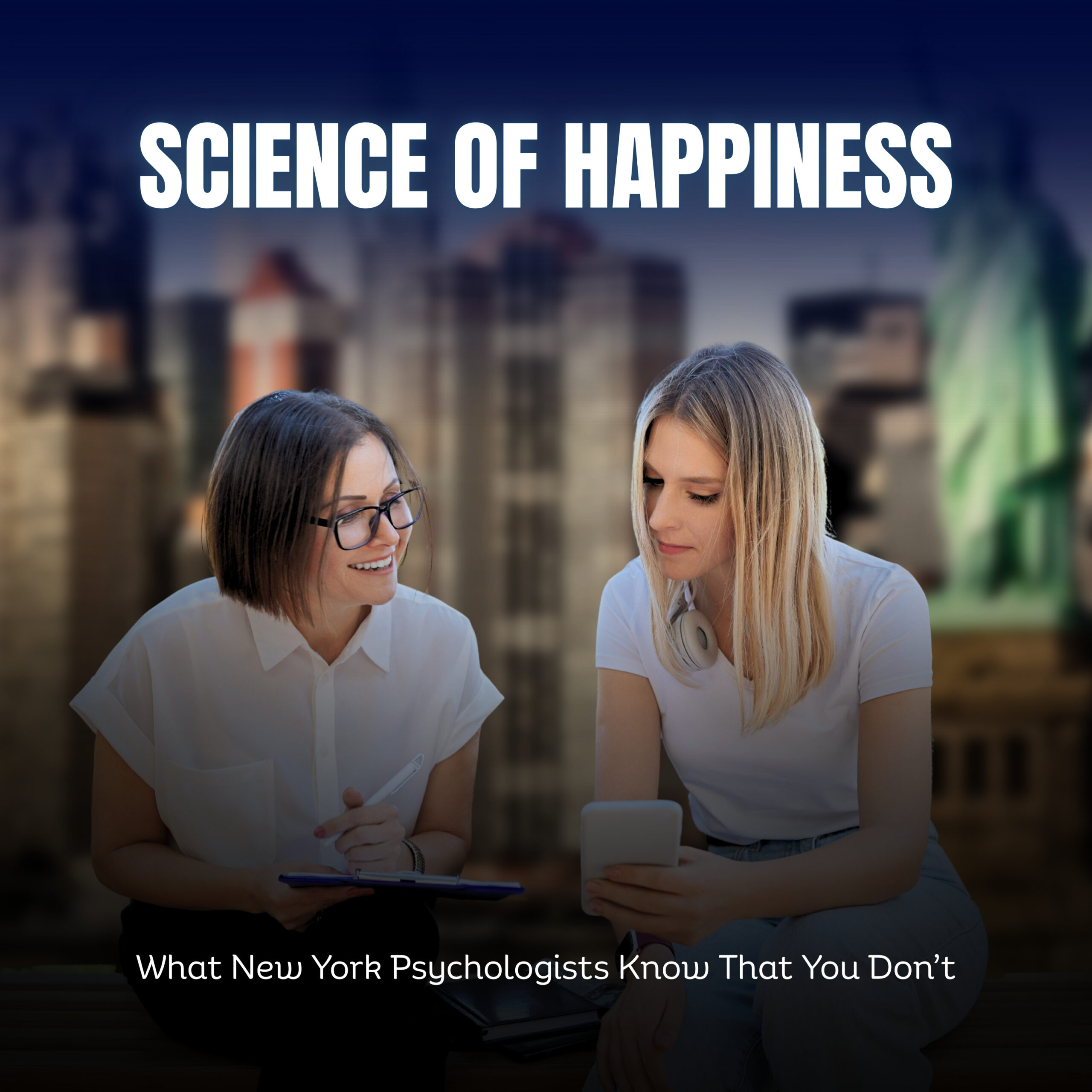
By The Science of Happiness: What New York Psychologists Know That You Don’t
Why your zip code might say more about your smile than you think.
The Big Apple’s Quiet Secret
New York never sleeps, and sometimes, neither do its people. Between the crowded subways, endless deadlines, and sky-high rent, finding happiness in this city can feel like chasing a yellow cab in rush hour. Yet, local psychologists say the science of happiness is simpler than most think, and it starts with what’s happening in our minds, not our wallets.
The City That Measures Joy
According to a 2024 study by the New York State Department of Health, about 1 in 3 adults in New York City report feeling stressed or anxious most days (source). But here’s the twist: many who say they’re stressed also report feeling “fulfilled.”
Dr. Melissa Grant, a clinical psychologist at Columbia University, explains:
“Happiness isn’t about avoiding stress. It’s about finding purpose within it. New Yorkers thrive because they connect challenge with meaning.”
Her research, published in the Journal of Positive Psychology, found that people who see their work or community life as meaningful are 47% more likely to report higher life satisfaction, even in busy cities like New York.
Why Happiness Feels Different Here
Experts say urban happiness looks different from small-town joy. It’s faster, louder, and built on connection, even with strangers. Psychologists call it micro moments of happiness: the smile from a coffee barista, a short talk with a doorman, or laughter on a park bench.
Dr. Grant adds, “New Yorkers have a way of creating community out of chaos. It’s one of the strongest predictors of happiness we’ve seen.”
In fact, a Yale University study on urban happiness shows that social interaction boosts city dwellers’ mood by 25%, even during short encounters.
The Science Behind the Smile
So, what’s actually happening in the brain?
When you connect with someone, even briefly, your brain releases oxytocin, often called the “love hormone.” This reduces stress and increases feelings of trust. Meanwhile, acts of gratitude or kindness boost serotonin, a natural mood stabilizer.
That’s why New York psychologists encourage simple daily habits:
- Talk to one new person a day.
- Spend five minutes noticing something good.
- Move your body, even for ten minutes.
“These are small acts with huge biological payoffs,” says Dr. Aaron Patel, a psychologist at NYU Langone.
The Happiness Gap
Yet, happiness isn’t evenly spread across the five boroughs. Studies from the NYC Mayor’s Office of Community Mental Health show that residents in neighborhoods with more green space report 18% higher happiness scores than those in denser urban areas (source).
Parks like Prospect and Central Park aren’t just leisure spots; they’re natural mood boosters. Exposure to sunlight and trees helps regulate cortisol, the body’s stress hormone.
Community also plays a role. Neighborhoods with more volunteer activity and local programs show higher well-being scores, even in low-income areas.
Why It Matters to New Yorkers
The science of happiness is more than just self-help talk, it’s shaping city policy. In 2025, the New York City Council approved new “Wellness Zones” in schools and workplaces to help fight burnout.
Early data from pilot programs in Brooklyn show a 22% drop in reported anxiety levels after introducing mindfulness and movement breaks.
Local businesses are joining in too. Startups across Manhattan now offer “mental reset breaks” and flexible work hours to support emotional well-being.
“It’s not just about being happy, it’s about staying healthy,” says City Council Member Rosa Martinez. “We’re realizing happiness is a public health issue.”
Expert Voices
Dr. Grant sums it up best:
“Happiness isn’t a destination. It’s a skill one New Yorkers are learning to master, even in chaos.”
And according to Dr. Patel:
“If you can find peace while the subway roars, you can find it anywhere.”
The Road Ahead
As New York rebuilds stronger and smarter after years of mental health strain, one truth stands out, happiness can be trained.
Psychologists say the city’s future will depend not only on technology and infrastructure but also on how well we nurture emotional health.
So, the next time you walk down Broadway or cross Times Square, remember, joy isn’t hiding in the noise. It’s hiding in you.
Will New York become the first big city to truly measure happiness? The science says, it just might.
Reporting by The Daily Newyorks Staff Writer.