
 By
By Long Island’s Halal Food Scene Takes the Spotlight at The Halal Guide Event
Food, culture and community are coming together as halal cuisine takes a bigger place on Long Island’s culinary map.
On Long Island, finding halal food used to feel like a search.
Today, it feels more like a discovery.
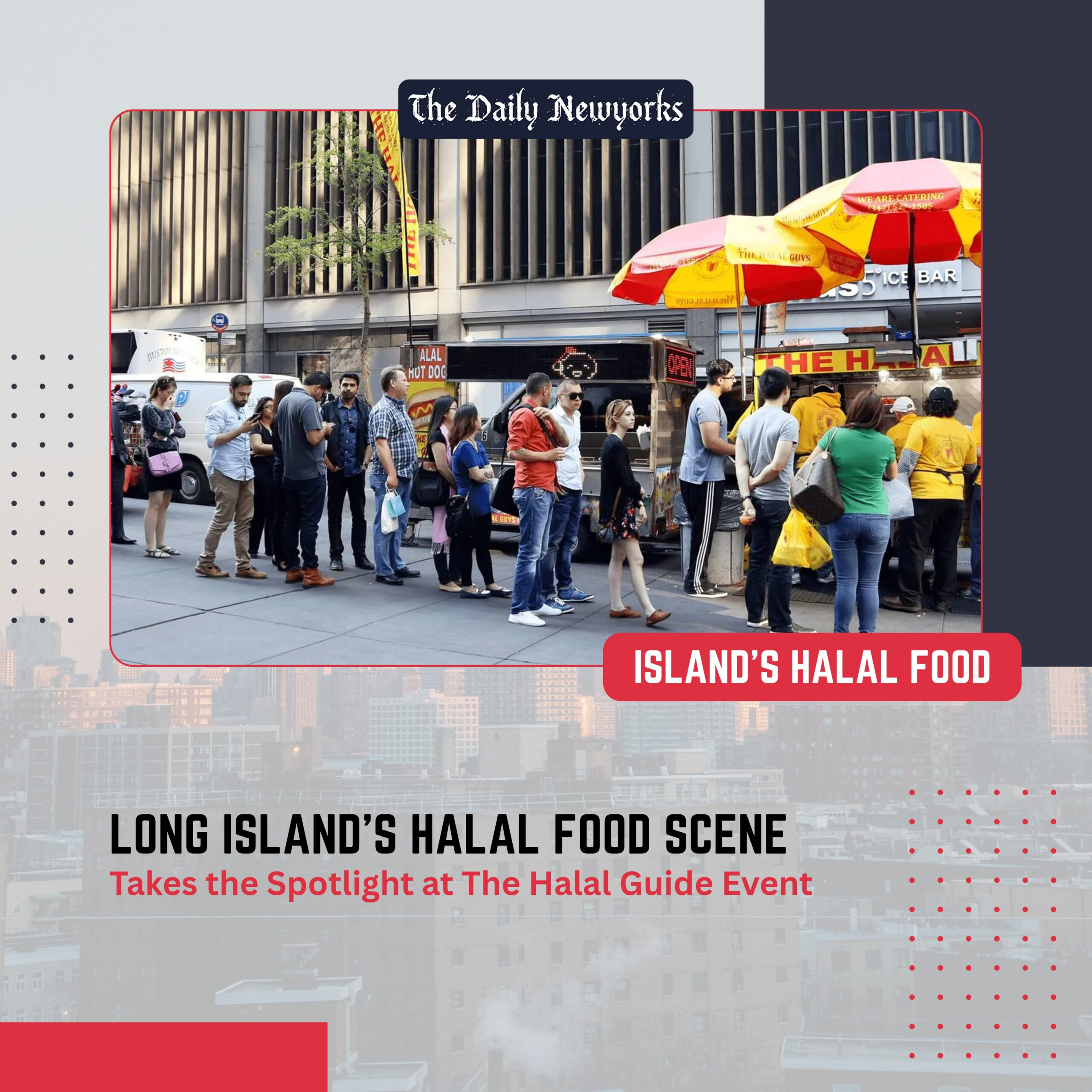
From Pakistani biryani and Indian kebabs to Middle Eastern shawarma, halal burgers, pizza, BBQ and desserts, the region’s halal food scene has become increasingly diverse.
And The Halal Guide has played an important role in connecting food lovers with these businesses.
The organization says its community has grown to more than 150,000 people, while its food festivals have attracted more than 20,000 attendees. Those numbers show that halal food is no longer a small niche within Long Island’s restaurant scene. It is becoming part of a much larger food conversation.
The New Halal Food Wave
Long Island has always been known for its cultural and culinary diversity.
Nassau and Suffolk counties together are home to nearly 2.95 million residents, based on 2025 Census estimates. That gives local restaurants and food businesses a huge potential audience.
Halal food is becoming an increasingly visible part of that market.
A halal restaurant today can serve much more than traditional dishes. Customers can find everything from biryani and kebabs to burgers, fried chicken, pizza, sushi, desserts and fusion food.
That variety is one of the biggest reasons the halal food scene is attracting attention.
Halal isn’t one cuisine.
It is a dietary standard that exists across many cuisines. And Long Island is showing exactly what that can look like.
The Halal Guide Brings Food Lovers Together
The Halal Guide started with a simple goal: helping people discover halal food and businesses.
According to the organization, its community has now grown beyond 150,000 people. Its platform has also expanded into food festivals, restaurant reviews, food news, technology and restaurant marketing.
That makes The Halal Guide more than a food directory. It has become a bridge between customers and local halal businesses.
And its festivals take that connection offline.
Instead of discovering a restaurant through a screen, visitors can meet the people behind the food, try different dishes and experience the community in person.
A Festival Built Around Variety
Previous Long Island editions show just how large and diverse these events can become.
A 2023 report on The Halal Guide Food Festival documented more than 100 vendors, with cuisines representing Pakistan, India, the Middle East, the Far East, Latin America and the Caribbean.
That’s a lot of food.
But more importantly, it shows how wide the definition of halal food has become.
Visitors can expect a mix of:
- Pakistani and Indian dishes
- Middle Eastern specialties
- Mediterranean food
- Halal burgers and American comfort food
- BBQ and grilled meats
- Pizza and fusion dishes
- Desserts and sweets
- Drinks and specialty beverages
- Food trucks and local restaurant vendors
- Small businesses and community organizations
For food lovers, that means one thing:
There is always something new to try.
Why Halal Food Is Growing in America
Long Island’s halal food growth is happening as the wider U.S. halal food market expands.
Technavio projects that the U.S. halal food market will grow by approximately $21.63 billion between 2024 and 2029, with an estimated compound annual growth rate of around 9%.
That growth reflects changing consumer demand and the expansion of halal food across restaurants, supermarkets, specialty stores and food businesses.
The trend is also visible in New York.
The New York State Department of Agriculture and Markets maintains an official registry of halal establishments, covering halal restaurants, stores and other food businesses across the state.
In simple terms, halal food is becoming easier to find.
And more businesses are seeing the opportunity.
What Makes Long Island’s Halal Food Scene Different?
It’s not limited to one culture
A halal food festival can bring together South Asian, Arab, Mediterranean, American and other culinary traditions.
That makes the experience different from a traditional single-cuisine food festival.
Social media is changing discovery
Food lovers increasingly discover restaurants through Instagram, TikTok, Google and online food communities.
The Halal Guide sits directly inside that discovery process by helping people find halal restaurants and food businesses.
Local businesses get a bigger stage
Small restaurants and food vendors can reach thousands of potential customers at a single event.
Instead of waiting for customers to discover them, businesses can put their food directly in front of them.
Food creates community
A restaurant recommendation can become a conversation. A food festival can become a family outing.
And a plate of food can introduce someone to a culture they have never experienced before.
The Business Opportunity Is Getting Bigger
For Long Island restaurants, the growth of halal food represents more than a cultural trend.
It is also a business opportunity.
A small restaurant competing for attention online may spend months building an audience.
A food festival can provide direct access to thousands of potential customers in a much shorter period.
Businesses can use these events to:
- Introduce new dishes
- Build brand awareness
- Gain social media followers
- Meet potential customers
- Generate catering leads
- Collect customer feedback
- Build relationships with other businesses
- Turn festival visitors into repeat customers
The equation is simple.
Great food gets attention. Great experiences build loyalty.
Food and Community Go Hand in Hand
There is another side to Long Island’s halal food story.
Food has repeatedly played a role in community support.
During the COVID-19 pandemic, The Halal Guide worked with Muslims of Long Island and other community partners on food-relief efforts.
One initiative helped distribute 5,000 pounds of rice to families experiencing food insecurity.
That story shows why food can mean more than business.
It can mean support. It can mean connection. And it can mean community.
That same spirit is visible at food festivals, where families, entrepreneurs and food lovers come together in one place.
What Visitors Can Expect
If you’re planning to attend a Long Island halal food festival, the best advice is simple:
Come hungry.
Don’t just look for the dish you already know.
Try something different. Talk to vendors. Ask where the restaurant is located. Take a picture.
Share the food.
And keep an eye out for a business you may want to visit again. You might arrive looking for biryani and leave talking about a burger. You might come for dessert and discover a new restaurant.
That’s what makes food festivals fun.
Visitors can look forward to:
- International halal cuisine
- Local Long Island food businesses
- New restaurant discoveries
- Family-friendly experiences
- Desserts and specialty foods
- Community connections
- Opportunities to support local entrepreneurs
Why September 12, 2026 Matters
The September 12, 2026 event is expected to put another spotlight on Long Island’s growing halal food community.
But the bigger story is not simply one date on the calendar.
It is the evolution happening around it.
Halal restaurants are becoming more visible. Consumers have more choices. Food entrepreneurs are creating new concepts. And online communities are helping people discover where to eat.
For Long Island, that means halal food is becoming part of the region’s broader culinary identity.
It is no longer sitting on the sidelines.
The Bigger Picture
Long Island’s halal food scene tells a larger story about how American food culture is changing. People want variety. They want authenticity.
They want food connected to culture. And they want businesses that understand their communities. The growth of halal restaurants reflects all of those things.
With nearly 2.95 million people living across Nassau and Suffolk counties, Long Island has the population and diversity to support a thriving halal food ecosystem.
And with The Halal Guide reporting a community of more than 150,000 people, there is already a large audience interested in discovering halal food.
The national market is growing too, with Technavio projecting more than $21 billion in additional U.S. halal food market growth between 2024 and 2029.
The numbers tell one story.
The people tell another.
Together, they show that halal food has become a meaningful part of America’s changing culinary landscape.
My Opinion
I think the most interesting part of Long Island’s halal food movement isn’t simply the number of restaurants or food vendors.
It’s the variety. Halal food is no longer being defined by one type of dish or one community. You can find traditional recipes alongside modern food concepts.
You can find family-owned restaurants alongside ambitious new businesses. And you can find people discovering halal food simply because it tastes good.
That’s powerful.
The Halal Guide’s role is also interesting because it connects technology, restaurants and community. A food discovery platform can introduce someone to a restaurant, while a festival can turn that online discovery into a real-world experience.
And that is where Long Island’s halal food story becomes bigger than food.
- It’s about identity
- It’s about entrepreneurship
- It’s about culture
- And ultimately, it’s about people coming together around a table
Long Island’s halal food scene isn’t waiting for a seat at the table anymore.
It’s helping set the table.
Reporting by The Daily Newyorks Staff Writer.