

 By
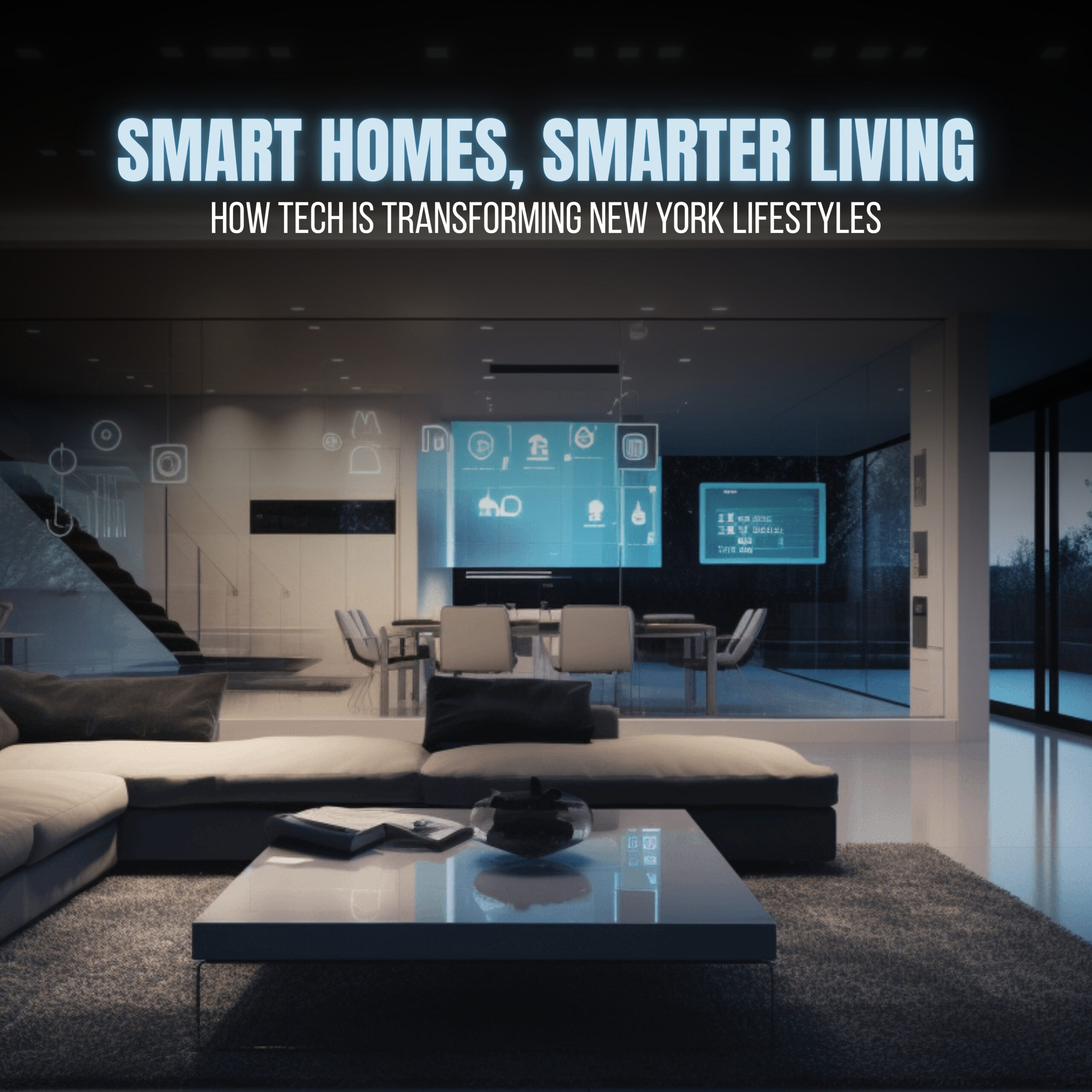
By Smart Homes, Smarter Living: How Tech Is Transforming New York Lifestyles
From the Upper West Side to Brooklyn lofts, smart home tech is changing how New Yorkers live, work, and feel at home.
In a cozy Manhattan apartment, the lights dim with the press of a button, the heater adjusts itself as the wind picks up outside, and the front door locks behind a visitor automatically,all while the owner enjoys dinner across the river. In New York City, smart home living has moved from sci-fi into everyday reality. Around 45% of U.S. households now have at least one smart home device.
Tech Steps into the Home
Smart homes mean houses or apartments fitted with devices that connect to the internet and help people do things easily. Think lights, thermostats, door locks, cameras,all controlled by voice or phone. These tools are becoming part of the New York lifestyle as more people work from home, manage busy lives, and look for comfort in smaller spaces.
What’s Making It Happen in New York
New York is the kind of city where smart tech fits well. High-rises, smaller apartments, remote work, and busy schedules all mean convenience matters. Cities also push more building codes for energy efficiency. Nationwide, the U.S. smart home market was around US$23.72 billion in 2024 and is expected to grow at about 23% a year through 2030.
In New York City listings, homes tagged “smart home ready” are rising. According to one report, cities like New York make up the highest share of listed smart homes.
Everyday Smart Living in the City
Picture a smart thermostat in a Brooklyn loft that learns the tenant’s schedule and adjusts itself. Or a voice-controlled kitchen in Queens that dims the lights and turns on music when dinner starts. These small changes add up to big comfort. Smart security systems give peace of mind,owners can check cameras and lock doors from the subway.
Smart living also helps manage costs. Smart thermostats alone can save about 8% on heating and cooling bills, according to a recent guide on home tech.
Benefits for New Yorkers
Better Living for Busy Lives
Smart homes give New Yorkers more time and less hassle. When the city never sleeps, smart devices help keep things running without constant effort. Remote work is common here, and tech bridges home, work and rest in one place.
Economy and Job Impact
The rise of smart home tech brings jobs in installation, repair, tech support and real-estate. Builders and landlords lean into “smart ready” features. And when smart features are in homes, buyers may find more value,homes with these amenities often attract more interest in markets.
Safety, Access and Inclusion
Smart locks and cameras can add layers of safety for renters and owners alike. In multi-unit buildings especially, remote access and monitoring are becoming popular. For people with mobility issues, smart homes can help with voice control and remote management, making city living more inclusive.
Sustainability and Cost Savings
Smarter homes use energy better. Less wasted heat, less lighting when no one’s around. That matters in a city where energy use is high. As New Yorkers focus on lowering costs and helping the planet, smart devices become tools for both.
“Smart home tech lets us live smoothly in the city without sacrificing comfort,” says Helen Ramirez, a real-estate agent in Manhattan. “We’re not talking about gadgets for fun anymore. It’s about life made simpler and safer,” says Dr. Amira Khan, an urban living researcher at the City University of New York.
Challenges to Think About
Smart homes offer many benefits, but they bring questions too. Cost is one: installing full smart‐home systems can be pricey for some. Also, renters may worry that adding devices will complicate lease terms. Then there’s tech access: not every building is wired the same, and internet connection quality matters. Finally, data and privacy concerns persist,devices collect info about routines, behaviour and presence.
Looking Ahead
The smart home wave is spreading. In New York, we may soon see more apartments advertised as “smart ready,” condo buildings built with integrated tech, and more off-the-shelf devices made to fit high-rise living. As the smart‐home market grows globally,the U.S. alone could reach over US$80 billion by 2030.
Technology will keep improving. Voice assistants will understand more, systems will learn and adapt, devices will talk to each other. In New York’s fast-paced world, this means homes will keep catching up to how people live.
My Opinion
Smart homes are becoming smart living. In New York City, where space is tight, lives are busy and comfort counts, tech is helping make everyday life less hectic. The question now is: how far will this go? Will every apartment soon be smart? Will smart tech help make city living better for everyone,not just those who can afford it?
Reporting by The Daily Newyorks Staff Writer.