
 By
By Crowded Yet Alone: The Loneliness Crisis Hitting New York’s Streets
In the city that never sleeps, too many hearts stay wide awake,alone.
New York’s New Epidemic: Loneliness in the Crowd
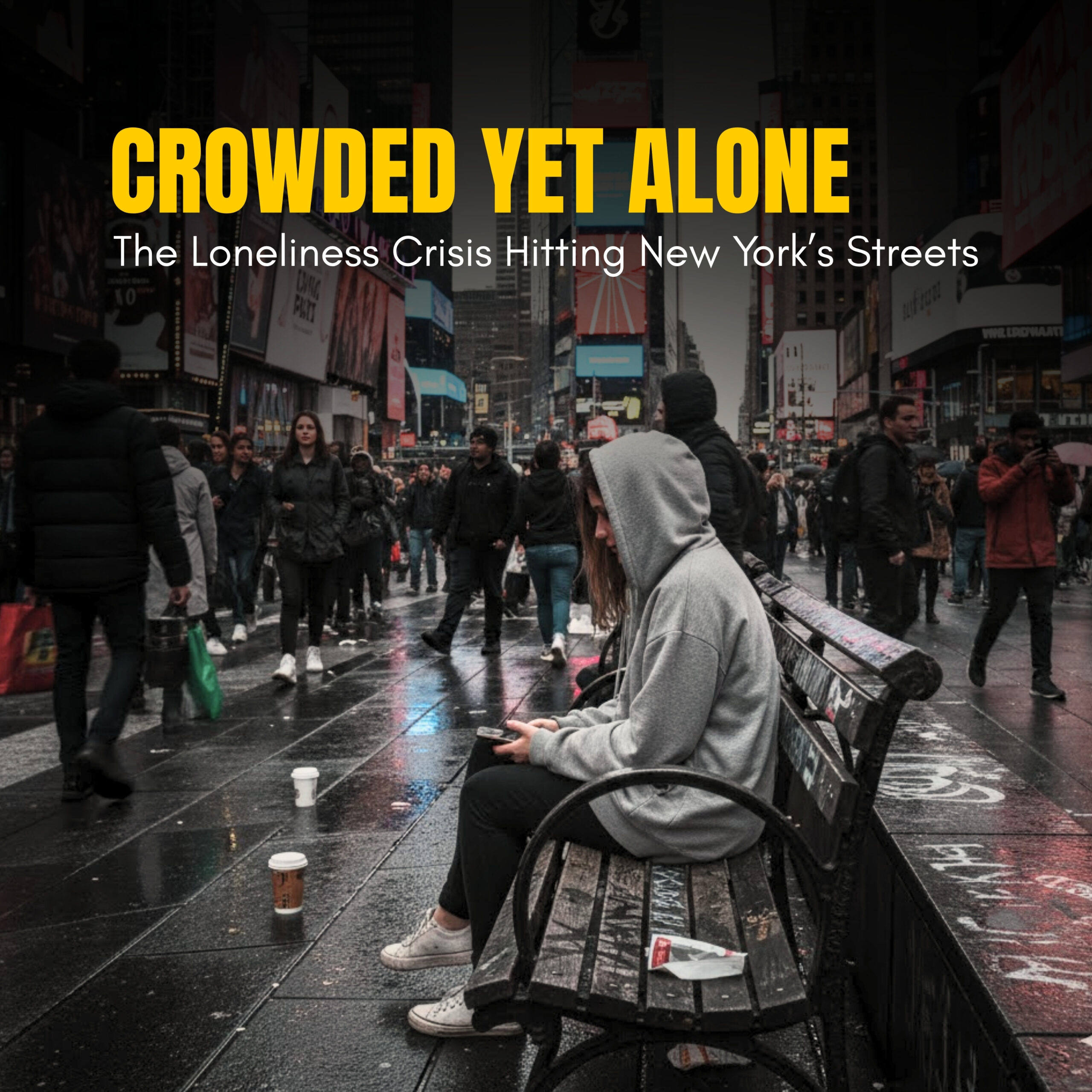
On a busy Manhattan street, thousands walk shoulder to shoulder. Phones in hand. Earbuds in ears. Eyes fixed forward. Yet many of them feel completely alone.
According to a 2024 study by Cigna, nearly 58% of Americans say they feel lonely most of the time. In New York City, that number is even higher, especially among young adults and the elderly. (Cigna Report)
When Noise Hides the Silence
New York has always been a city of motion. The subway roars, taxis honk, and conversations spill out of cafés. But beneath the noise, quiet isolation is growing.
Mental health experts call it the “crowded loneliness effect”, being surrounded by people but still feeling unseen. The city’s fast pace, rising rents, and digital dependence are making it worse.
A 2023 report by the New York State Health Foundation found that one in three New Yorkers experiences loneliness weekly. Many live in shared buildings yet barely know their neighbors.
Technology: The Double-Edged Friend
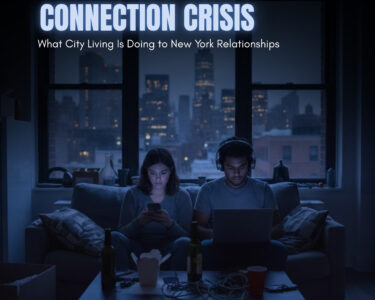
Social media connects millions but disconnects hearts. New Yorkers spend an average of 7 hours a day online, according to DataReportal 2024. It’s easy to scroll, but hard to truly connect.
“I talk to hundreds of people online every day,” says Lina, a 27-year-old artist from Brooklyn. “But when I close my laptop, it’s just me and the city lights.”
Experts say too much screen time is replacing face time. It gives a false sense of closeness while real relationships fade.
The Hidden Cost of City Life
Loneliness doesn’t just hurt feelings, it hurts health. The U.S. Surgeon General’s 2023 advisory compared chronic loneliness to smoking 15 cigarettes a day in terms of health risk. (HHS Report)
In New York, where stress and competition run high, that risk turns serious. People working long hours in finance, retail, and tech often skip social lives for survival.
Rising housing costs make it worse. A single-bedroom apartment in Manhattan now averages $4,300 per month, forcing many to live alone or with strangers.
Finding Connection in a City of Strangers
Still, hope flickers across the five boroughs. Local nonprofits are trying to rebuild community ties.
Programs like “NYC Together” and “Community Cafés” host weekly gatherings in libraries and parks, bringing neighbors to talk, play, and share meals. Churches, yoga studios, and even coworking spaces are now acting as social lifelines.
“We used to meet only to work,” says James Porter, who runs a co-living space in Queens. “Now, people come to cook together, read together, or just sit in silence. That silence becomes connection.”
The Emotional Economy
Loneliness also touches New York’s economy. According to the American Psychological Association, lonely workers are 30% less productive and twice as likely to quit. Businesses are now paying attention.
Some companies are introducing “connection breaks,” mental health workshops, and community events to keep employees engaged.
“The new workplace currency isn’t just salary,” says workplace psychologist Dr. Ellen Carver. “It belongs.”
From Isolation to Involvement
Many New Yorkers are finding that small acts make big differences. A “hello” to a doorman. A chat with a neighbor. Joining a hobby group.
Even the city government is stepping in. The NYC Aging Department launched the Friendly Visiting Program, pairing volunteers with seniors for weekly visits.
“These visits aren’t therapy,” explains program director Maria Ortiz. “They’re friendship. That’s what heals people.”
The Future of a Lonely City
Can New York, with its 8.5 million residents, learn to feel close again? Experts say yes, if people start valuing connection as much as ambition.
The pandemic showed how fragile human contact can be. Now, the city faces a choice: rebuild stronger social bonds or keep walking fast with eyes down.
Final Word
Loneliness may be the quietest crisis New York has ever faced, but it’s also one we can solve together.
When the next stranger on the train looks your way, maybe smile back. In a city so full, that small spark might be all it takes to make someone feel seen.
Reporting by The Daily Newyorks Staff.