
 By
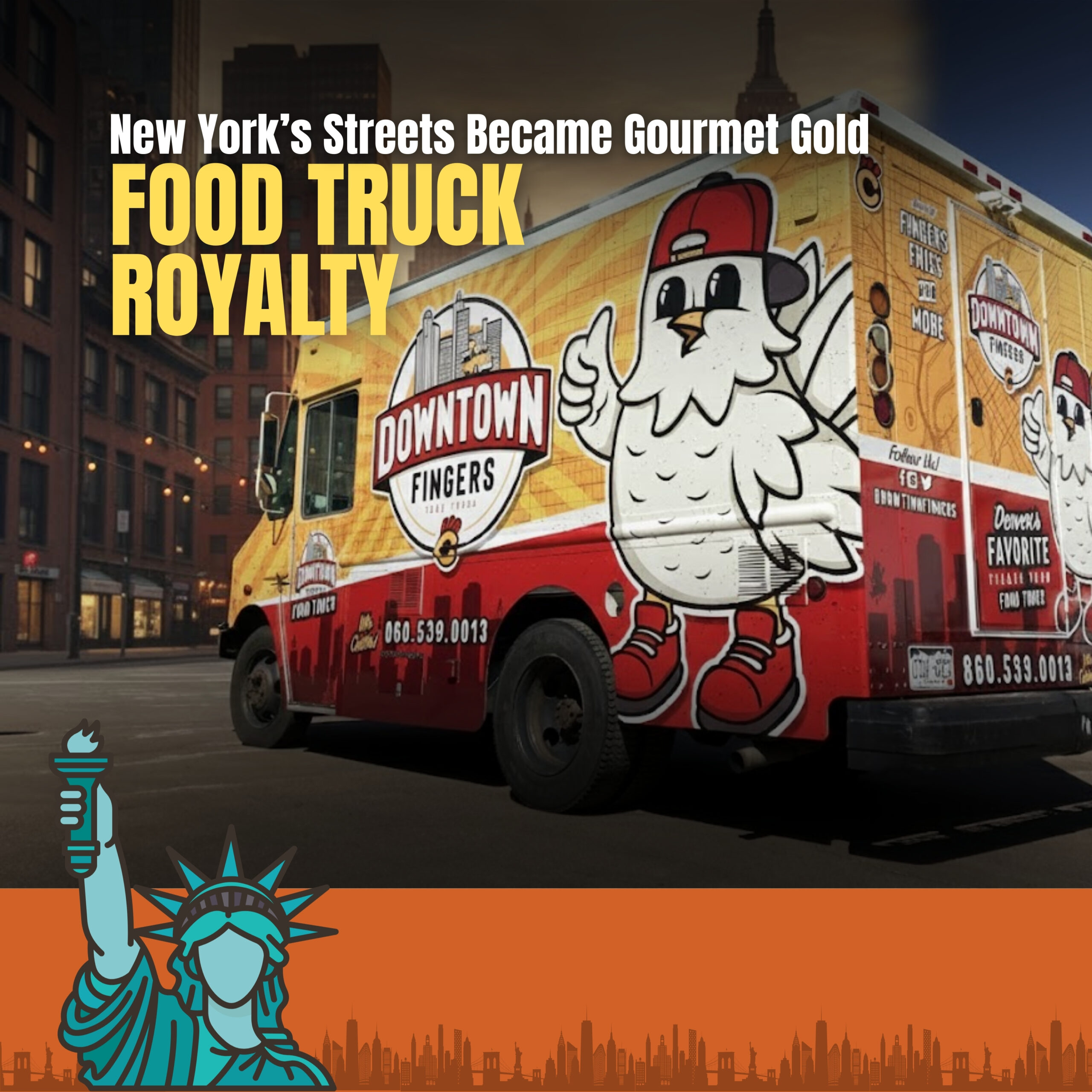
By Food Truck Royalty: How New York’s Streets Became Gourmet Gold
From late-night snacks to Michelin-worthy meals, New York’s food trucks are driving a tasty revolution across the city.
A City on Wheels, Serving Flavor
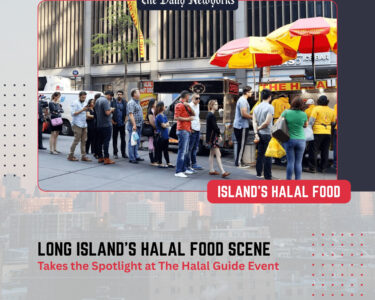
On a busy corner in Midtown, a bright blue food truck pulls up. Within minutes, a line forms. Office workers, tourists, and delivery drivers wait for tacos, gyros, and steaming noodles. The smell fills the air, and for many New Yorkers, this is what lunch smells like.
New York’s food truck scene isn’t just a quick meal anymore. It’s a full-blown food movement. According to the New York City Department of Health, there are now over 5,100 licensed mobile food vendors across the five boroughs (source). That’s a huge jump from a decade ago when most people thought of food trucks as only serving hot dogs or pretzels.
From Street Snacks to Gourmet Feasts
Once upon a time, food trucks meant simple, cheap food. But now, they’re run by chefs with restaurant training and Instagram followings. Trucks like The Halal Guys, which started as a small Manhattan cart, have become international brands with restaurants in multiple countries.
Today, you can find everything from lobster rolls to Korean BBQ tacos parked along New York’s streets. In 2024, NYC’s food truck industry was valued at nearly $300 million, showing just how powerful this street-side dining scene has become (source).
Many food trucks are small businesses started by immigrants or young chefs testing their ideas before opening a restaurant. The city’s streets, once just a place to pass by, have turned into a stage for creativity and culture.
The Secret Ingredient: Community
Food trucks bring people together. In places like Brooklyn’s Smorgasburg Market, over 20,000 people gather every weekend to try local street food from dozens of vendors (source). There’s laughter, live music, and that mix of smells you can only find in New York.
Each truck has a story. Some are family-owned. Some are side projects that turned into full-time jobs. And every one of them adds a new flavor to the city’s melting pot. From Dominican empanadas in the Bronx to Thai noodles in Queens, food trucks show the city’s diversity in the most delicious way possible.
Rules of the Road
Running a food truck in New York isn’t easy. There are permits, inspections, and limited parking spaces. Some owners wait up to 10 years for a full permit due to city limits on new licenses (source). Despite that, new trucks keep rolling out.
To support vendors, groups like the Street Vendor Project are helping push for fairer laws and more permits. As one of their reports notes, food vendors contribute over $300 million to New York’s economy every year, creating thousands of jobs for working families (source).
Impact on the City
Food trucks have changed how New Yorkers eat and move. They’ve created jobs, revived public spaces, and even boosted tourism. Visitors love exploring through food, and food trucks give them a taste of the real city without needing reservations.
Economically, they’re also a quiet force. The New York City Comptroller’s Office found that mobile vendors generate tens of millions in local taxes and help support neighborhoods that don’t have many restaurants nearby. That means food trucks aren’t just serving meals, they’re feeding communities.
Culturally, they’ve also made fine dining feel more fun. Michelin-star chefs have started their own trucks, serving truffle pasta or wagyu sliders on the go. New York’s streets have become a place where gourmet meets everyday life.
Voices from the Street
“Food trucks are where I first fell in love with cooking,” says Luis Mendoza, owner of El Camino Tacos in Queens. “I couldn’t afford a restaurant, but I could afford a truck. Now people follow me online and wait in line every weekend.”
For customers, it’s about connection. “It feels personal,” says Rachel Kim, a college student in Brooklyn. “You see the chef, you smell the food, and you talk while you wait. It’s more than just eating. It’s an experience.”
Even city officials are noticing the positive impact. “Street vendors add character and flavor to New York,” says Maya Thompson from NYC Small Business Services. “They help keep our streets vibrant and our economy strong.”
What’s Next for Street Dining
The future of food trucks looks bright, and high-tech. Some vendors are already using apps to take orders or find open parking spots. Others are teaming up with delivery services to expand their reach.
The city is also testing new “Food Truck Zones,” where trucks can park legally without worrying about tickets. These zones, mostly in busy areas like Midtown and Lower Manhattan, are designed to make life easier for both vendors and customers.
Experts believe that with better policies, the number of trucks could double by 2030, giving more people the chance to start small food businesses and share their cooking with the city (source).
A Bite of the Big Apple
Every great city has its flavors, but New York’s are special because they move. The sizzling grills, the smell of garlic butter, the clinking of metal spatulas, they make the city feel alive.
Food trucks aren’t just about food. They’re about stories, dreams, and community. Each bite tells you something about the person behind the counter and the city that never stops moving.
Final Word
Next time you walk by a food truck, stop for a moment. Try something new. Talk to the chef. You might just discover your next favorite meal right there on the sidewalk.
Because in New York, gourmet gold isn’t found in fancy restaurants , it’s rolling down the street, one bite at a time.
Reporting by The Daily Newyorks Staff Writer.