

 By
By Flying Cars, Floating Towers: The Future Blueprint of New York
A peek into how New York could look in the next decade, from air highways to skyscrapers that float above the skyline.
New York Is Getting a Futuristic Makeover
New York is already famous for its skyline, busy streets, and bustling subways. But soon, the city might look like it jumped straight out of a sci-fi movie. Engineers and city planners are working on flying cars, floating towers, and smart streets that could change how New Yorkers live and move.
According to a recent report by the World Economic Forum, urban air mobility could become a reality in major cities by 2030 (source).
Flying Cars: Taking to the Skies
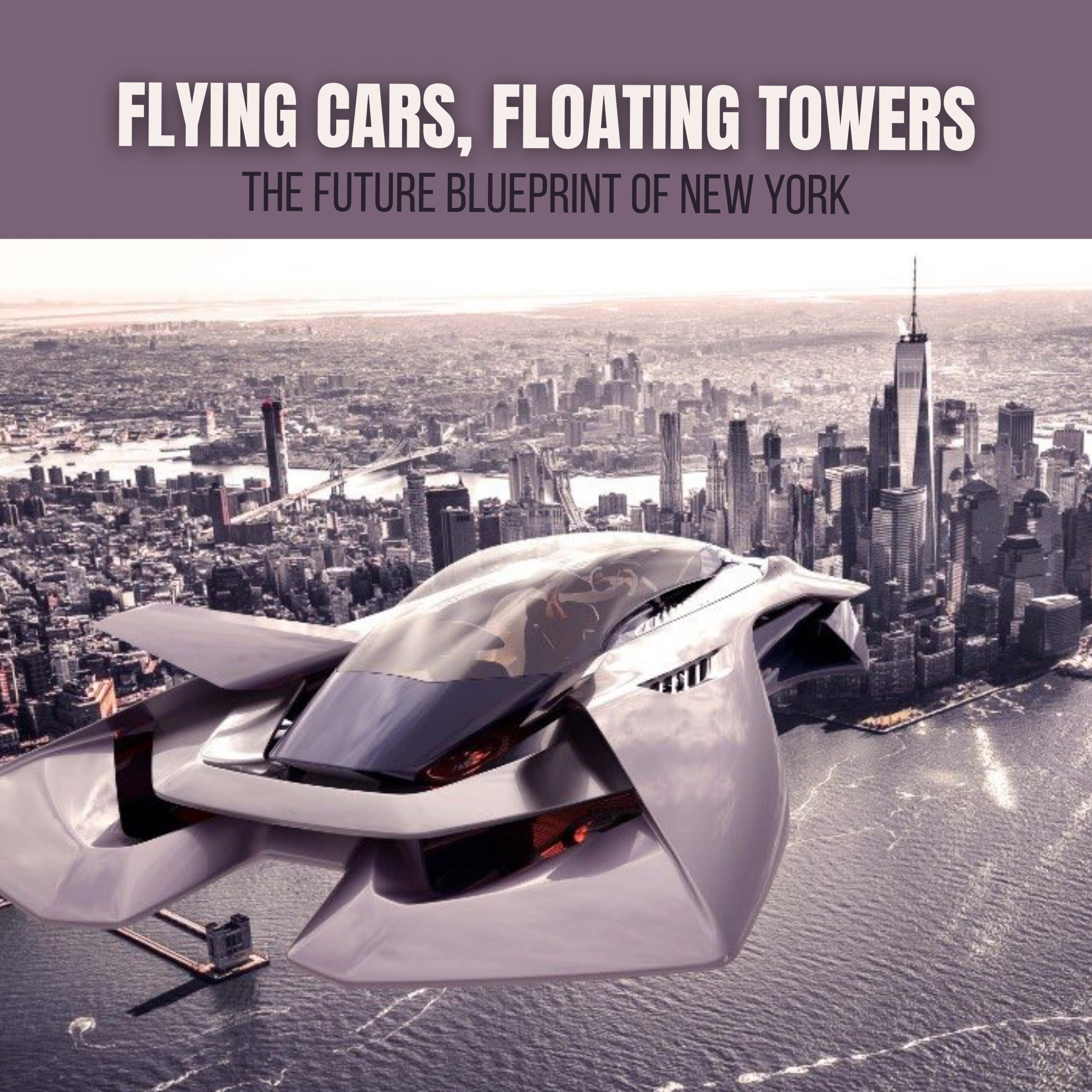
Flying cars are no longer just a dream. Several companies, including Joby Aviation and Vertical Aerospace, are testing electric air taxis that can carry people across the city. These vehicles could reduce traffic congestion, especially during rush hour.
The FAA predicts that by 2035, as many as 10,000 urban air vehicles could be flying in U.S. cities (source).
In New York, this could mean shorter commutes for office workers in Manhattan or faster trips from Brooklyn to JFK Airport.
The city is even exploring skyports, designated spots for takeoffs and landings, which could appear on rooftops or parking structures.
Floating Towers: Architecture Above Water
New York’s skyline might also get a new twist with floating towers. Engineers are designing buoyant buildings that can sit on water or even hover slightly above the ground. These towers could help the city cope with rising sea levels, which the New York City Panel on Climate Change warns could flood parts of Lower Manhattan by 2050 (source).
Floating towers could also create new spaces for offices, apartments, and green areas without taking up limited land. Some concepts even include self-sustaining energy systems, like solar panels and wind turbines, making these buildings eco-friendly.
Smart Streets and Tech-Driven City Life
Alongside flying cars and floating towers, New York is planning smart streets. Sensors, AI, and data analytics could manage traffic, reduce accidents, and improve public transport. For example, smart traffic lights could change based on real-time traffic conditions, helping drivers and pedestrians move more safely.
New technology could also monitor air quality and energy use in real time. The city has already launched LinkNYC kiosks, which provide free Wi-Fi and environmental data, showing how technology can make urban life easier and more connected (source).
How This Impacts New Yorkers
All these changes could transform everyday life. Commutes might be faster, housing more flexible, and the city safer from floods. Jobs in engineering, tech, and urban planning could grow as New York becomes a hub for futuristic infrastructure.
On the flip side, costs could rise. New technology may be expensive, and only parts of the city may see these upgrades first. City planners will need to balance innovation with affordability to make sure all residents benefit.
Voices From the City
“Flying cars could finally make our commutes enjoyable,” says Lena Morales, a software engineer in Manhattan. “I just hope they stay safe and don’t crowd the skies.”
Urban planner David Chen adds,
“Floating towers aren’t just cool architecture. They’re a solution to climate challenges New York is already facing. The city needs innovation that protects people and the environment.”
Even young New Yorkers are excited. Aiden Patel, 12, says,
“I want to ride a flying taxi to school one day. That would be amazing.”
Looking Ahead
New York’s future is not just about taller buildings or faster cars. It’s about making the city resilient, efficient, and exciting. Flying cars and floating towers are just the start.
By 2035, the city could have air highways, vertical gardens, and buildings that generate their own energy. The question is how quickly these ideas can move from concept to reality, and how the city will balance innovation, safety, and fairness.
Final Word
The blueprint for New York’s future is ambitious, but it’s also achievable. The skyline might change, streets might float, and the air could be filled with quiet electric taxis. What’s clear is that the city is ready to redefine itself, proving once again that New York is always ahead of its time.
Will you be ready to take flight in the city that never sleeps?
Reporting by The Daily Newyorks Staff Writer.