
 By
By Rising Rent, Rising Anger: Why Housing Has Become New York’s Political War
As prices soar and paychecks stay the same, housing has turned from a personal worry into New York’s biggest political fight.
The Lead
Last month, a one-bedroom apartment in Brooklyn hit a new record: $3,500 a month on average, according to Zillow. That’s nearly $1,000 higher than it was five years ago. For many New Yorkers, the rent hike isn’t just hard. It’s breaking them.
“Every year, my rent goes up, but my paycheck doesn’t,” said Maria Lopez, a teacher from Queens.
“It’s not living anymore, it’s surviving.”
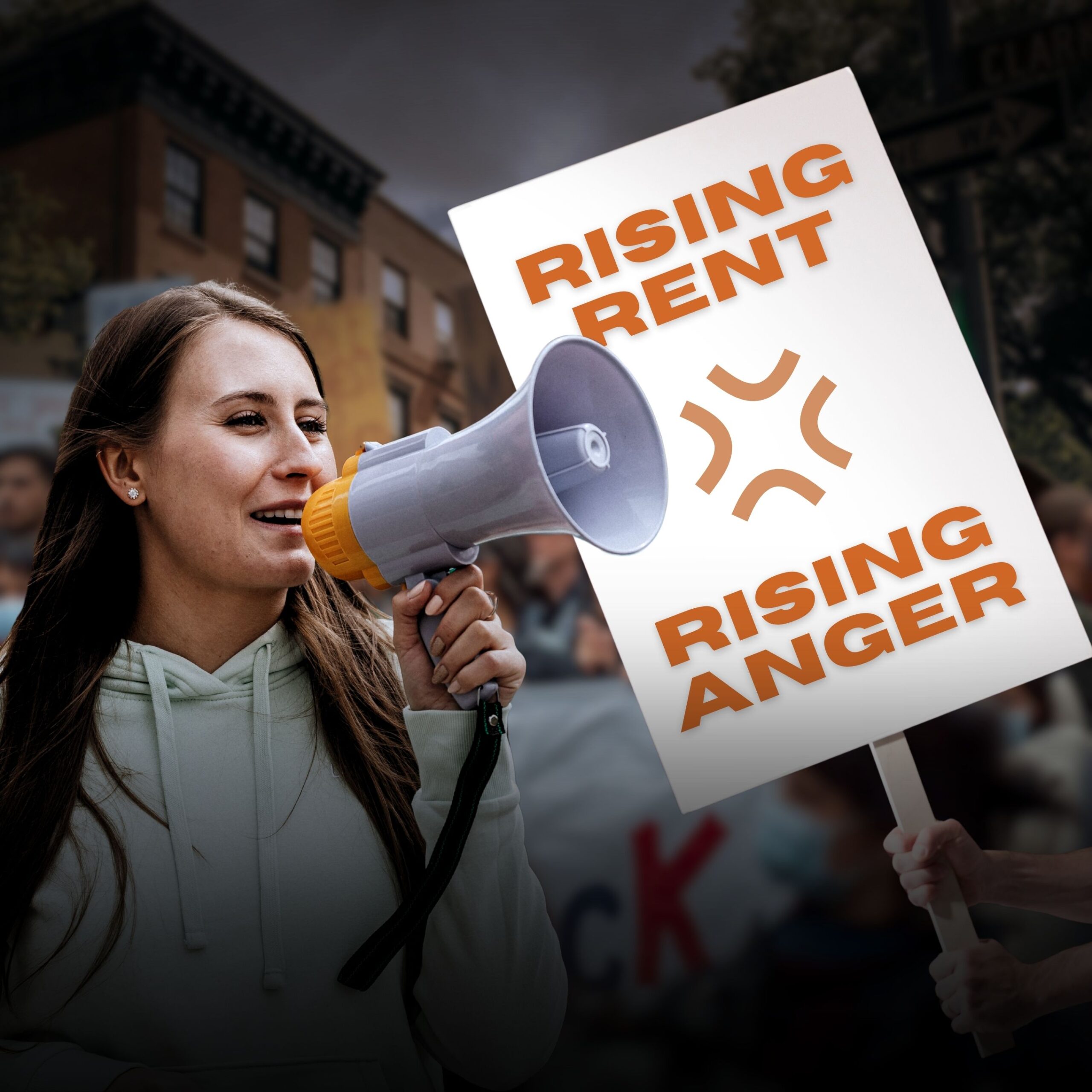
Across the five boroughs, this frustration is no longer just talk. It’s turning into protests, policy fights, and political campaigns.
The Rent Squeeze
New York’s housing market has always been tough. But since the pandemic, it’s become brutal.
According to a recent StreetEasy report, rents in Manhattan rose by 33% between 2020 and 2024. Brooklyn and Queens saw similar jumps. Meanwhile, the median household income in the city grew by less than 10% during the same time.
That gap, between rising rents and slow-growing wages, has created a housing crisis few can ignore.
College graduates are moving back in with parents. Families are sharing apartments meant for singles. Older tenants are fighting eviction notices.
Even those earning six figures say they’re “housing poor”, spending most of their income just to keep a roof over their heads.
A Political Battlefield
This crisis has exploded into a political war.
Mayor Eric Adams has pushed for more affordable housing projects, saying the city needs “500,000 new homes in the next decade” to fix the shortage. But local communities often resist new developments, fearing taller buildings or higher taxes.
On the other side, tenant groups are demanding stronger rent control laws and limits on landlord profits.
In Albany, state lawmakers are split. Some back “Good Cause Eviction” bills that make it harder for landlords to remove tenants without reason. Others warn that too many rules could scare off developers.
Meanwhile, everyday New Yorkers feel trapped in the middle.
“Politicians keep arguing, but my rent doesn’t wait,” said Jamal Greene, a delivery driver from the Bronx.
“They debate while I pack boxes.”
The Supply Problem
Part of the problem is simple math.
New York doesn’t have enough homes. The city’s population grew by over 600,000 people in the past decade, according to the U.S. Census Bureau, but construction hasn’t kept up.
Permits for new housing fell 60% in 2023, the lowest since 2016, according to NYC Department of Buildings data.
Zoning rules, high land prices, and long approval processes make it even harder to build. Developers say it can take five to ten years to finish a single project.
By the time the building opens, demand has already outgrown supply.
When Rent Meets Reality
For many, the issue isn’t just about housing. It’s about dignity.
New Yorkers spend more than 40% of their income on rent, the highest in the nation, says the NYU Furman Center. The federal government defines anything above 30% as “rent-burdened.”
That burden affects everything else, from food budgets to family plans. Young couples delay having children. Students drop out to work extra hours. Seniors skip medication to cover rent.
Local charities like Coalition for the Homeless report that the city’s homeless population hit over 80,000 people this year, the highest in recorded history.
The housing crisis isn’t just a number. It’s a ripple that touches every street, subway, and school.
Who’s to Blame?
That’s the question dividing the city.
Landlords say property taxes and maintenance costs are too high. They point to new regulations that make it harder to renovate or rent profitably.
Tenants say landlords are greedy, using loopholes to raise rents and push people out.
Economists argue it’s both, a mix of bad policy, limited space, and population growth.
“New York’s housing market is a pressure cooker,” said Dr. Alan Becker, an urban policy expert at Columbia University.
“Too few homes, too many people, and too much red tape. Unless someone releases the steam, it will explode.”
The Human Cost
Behind every statistic is a story.
There’s the nurse in Harlem working two jobs to stay in her apartment. The single father in Queens commuting two hours from a cheaper borough. The student couch-surfing between friends because dorms are full.
Even middle-income workers, once the city’s backbone, are now being priced out.
A Pew Research Center study found that nearly 6 in 10 renters under 40 worry they’ll never be able to afford a home.
It’s not just a housing crisis. It’s a hope crisis.
Political Fallout
With elections near, housing has become the loudest topic in New York politics.
Candidates are framing it as a fight between “working-class survival” and “real estate greed.” Social media is full of viral videos showing rent protests and eviction stories.
But experts warn against quick fixes.
“Rent freezes sound good,” said City Council Member Rachel Kim, “but without more housing, the crisis just shifts. We need more supply, smarter rules, and faster approvals.”
Still, for renters on the edge, long-term plans don’t help today’s bills.
A City on the Edge
The housing fight has reshaped how New Yorkers see their city.
For some, it’s about fairness, who gets to live here and who gets pushed out. For others, it’s about the soul of New York, a place once known for opportunity now turning into a playground for the rich.
As protests grow and rents climb, both sides agree on one thing: something has to change.
“New York used to be the city where you came to make it,” said Lopez, the teacher from Queens.
“Now it feels like the city that makes you leave.”
The Road Ahead
The question now is whether leaders will act fast enough.
New housing bills are expected in the next state session. Some call for faster permits, tax breaks for affordable housing, and new rent limits. Others warn that more regulation could backfire.
For now, New Yorkers wait, and pay.
The city’s skyline keeps rising. So does the anger.
And until housing becomes a home again, New York’s biggest war won’t be in politics, it’ll be in rent.
Reporting by The Daily Newyorks Staff Writer.