
 By
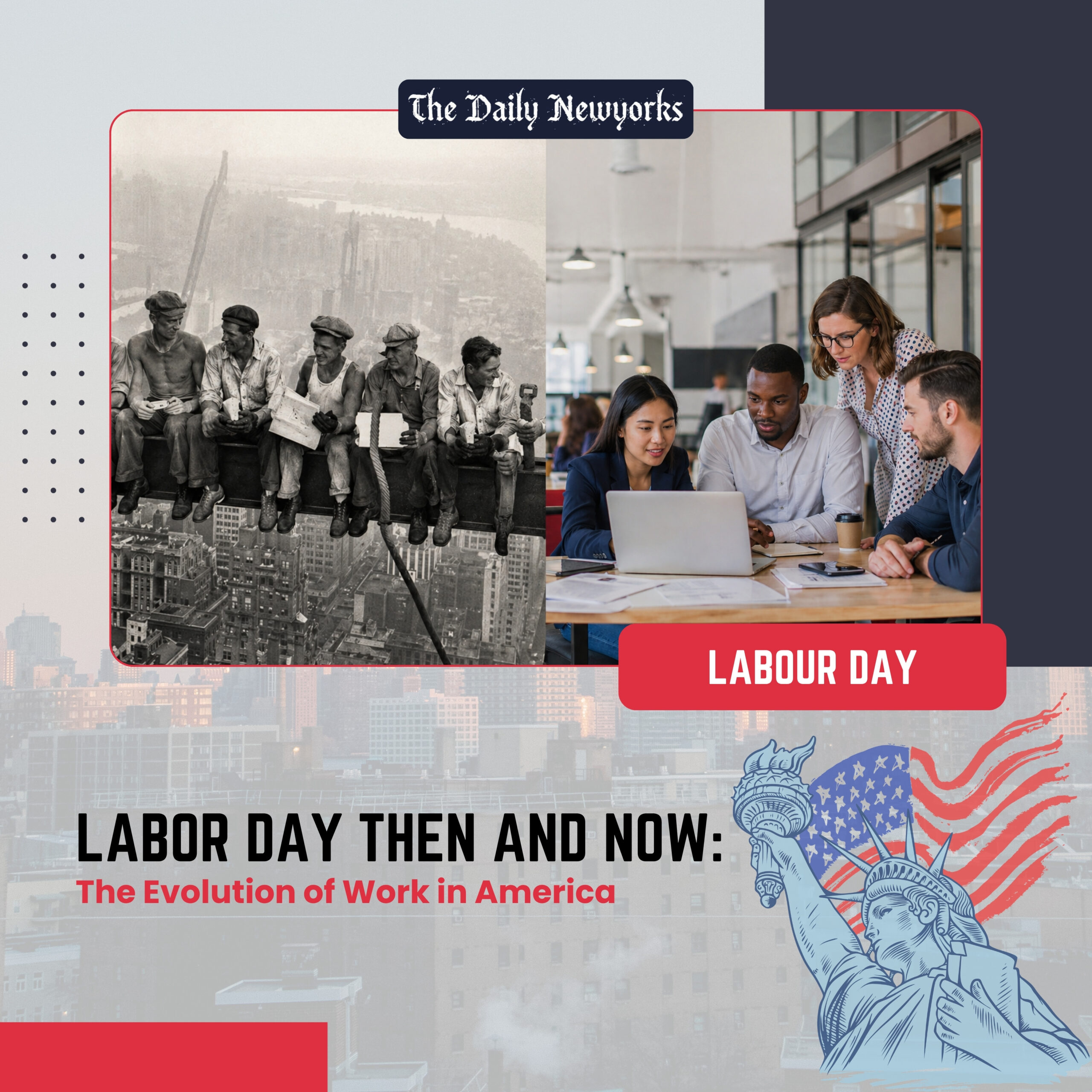
By Labor Day Then and Now: The Evolution of Work in America
From factory strikes to digital side hustles, Labor Day tells the story of how work in America has transformed, and where it’s heading next.
The Fight That Started It All
Long before Labor Day became a long weekend getaway, it was born out of unrest. In the late 1800s, American workers faced brutal conditions, long hours, low wages, and dangerous workplaces.
Factories ran on exhaustion, not efficiency. Workers, many of them immigrants, had little protection and even less power. But that began to change as labor unions formed, organizing strikes and protests that demanded fair treatment.
One of the most defining moments came during the Pullman Strike, a nationwide protest that brought the rail system to a halt and forced the government to respond.
Soon after, in 1894, Labor Day was officially recognized as a federal holiday. It wasn’t just a celebration. It was a compromise, a recognition of the growing influence of workers across the nation.
From Protest to Progress
The early 20th century marked a turning point. The voices of workers grew louder, and change followed.
The 8-hour workday became a standard. Minimum wage laws were introduced. Workplace safety regulations began to take shape. These weren’t gifts from employers,they were victories earned through years of pressure and persistence.
Organizations like the American Federation of Labor played a central role, negotiating rights and shaping labor policies that still influence workplaces today.
Labor Day, during this era, wasn’t about barbecues or sales. It was a symbol of progress,a reminder that collective action could reshape society.
The Rise of the American Worker
As industries expanded, so did opportunity. Manufacturing jobs created a growing middle class, allowing millions of Americans to build stable lives.
Owning a home, supporting a family, and planning for the future became achievable goals for many. Work was no longer just survival,it became a pathway to security and identity.
Cities like New York thrived during this time. Skyscrapers rose, industries boomed, and the workforce became the backbone of economic growth.
Labor Day reflected that pride. It honored not just the struggle, but the success of a workforce that had reshaped the nation.
The Shift to a Digital Economy
Fast forward to today, and the definition of work has changed dramatically.
The factory floor has been replaced by laptops, co-working spaces, and remote setups. Technology has redefined productivity, allowing people to work from anywhere at any time.
Platforms like Uber and Upwork have introduced a new kind of worker,independent, flexible, and often juggling multiple roles at once.
But with this freedom comes uncertainty. Job stability, healthcare, and benefits are no longer guaranteed for many. The gig economy has opened doors, but it has also raised new questions about fairness and protection.
In many ways, the conversation has come full circle. Once again, workers are asking: what does fair work really look like?
A New Kind of Work Culture
Today’s workforce isn’t just chasing paychecks,it’s chasing a purpose.
The modern professional values flexibility, mental well-being, and personal growth as much as financial success. The traditional 9-to-5 model is slowly being replaced by hybrid schedules, freelance careers, and entrepreneurial ventures.
In cities like New York, ambition still runs high,but it looks different. A corporate executive might also run a startup. A designer might freelance on the side. Work has become more fluid, more personal, and more dynamic.
Labor Day, in this context, has evolved. It’s no longer just about honoring physical labor,it’s about recognizing every form of contribution, from creative work to digital innovation.
The Challenges Ahead
Despite progress, the future of work is far from settled.
Automation and artificial intelligence are reshaping industries, replacing some jobs while creating others. The speed of change is faster than ever, and not everyone is keeping up.
Economic inequality remains a concern. While some workers thrive in the new economy, others struggle to find stability. The gap between opportunity and access continues to widen.
Experts argue that the lessons of Labor Day are more relevant now than ever. The progress of the past was driven by awareness and action,qualities that will be essential in navigating the future.
The Future of Work
Looking ahead, work will likely become even more integrated with technology. Remote teams, global collaboration, and AI-driven tools will define the next generation of jobs.
But beyond technology, there’s a deeper shift happening. Workers are redefining success. It’s no longer just about income,it’s about balance, fulfillment, and impact.
Companies are adapting too. The focus is shifting toward employee experience, inclusivity, and workplace culture. Businesses that understand this shift are more likely to succeed in the long run.
Labor Day, once a symbol of protest, is now a lens for reflection. It reminds us that work should evolve with people,not against them.
Final Word
From the strikes of the 19th century to the startups of today, the story of Labor Day is the story of progress.
It’s a reminder that the rights and opportunities we have today were built through struggle,and that the future of work is still being written.
As America continues to evolve, so will its workforce. And every Labor Day, we’re given a moment to pause, reflect, and ask an important question:
What should work look like next?
Reporting by The Daily Newyorks Staff.