
 By
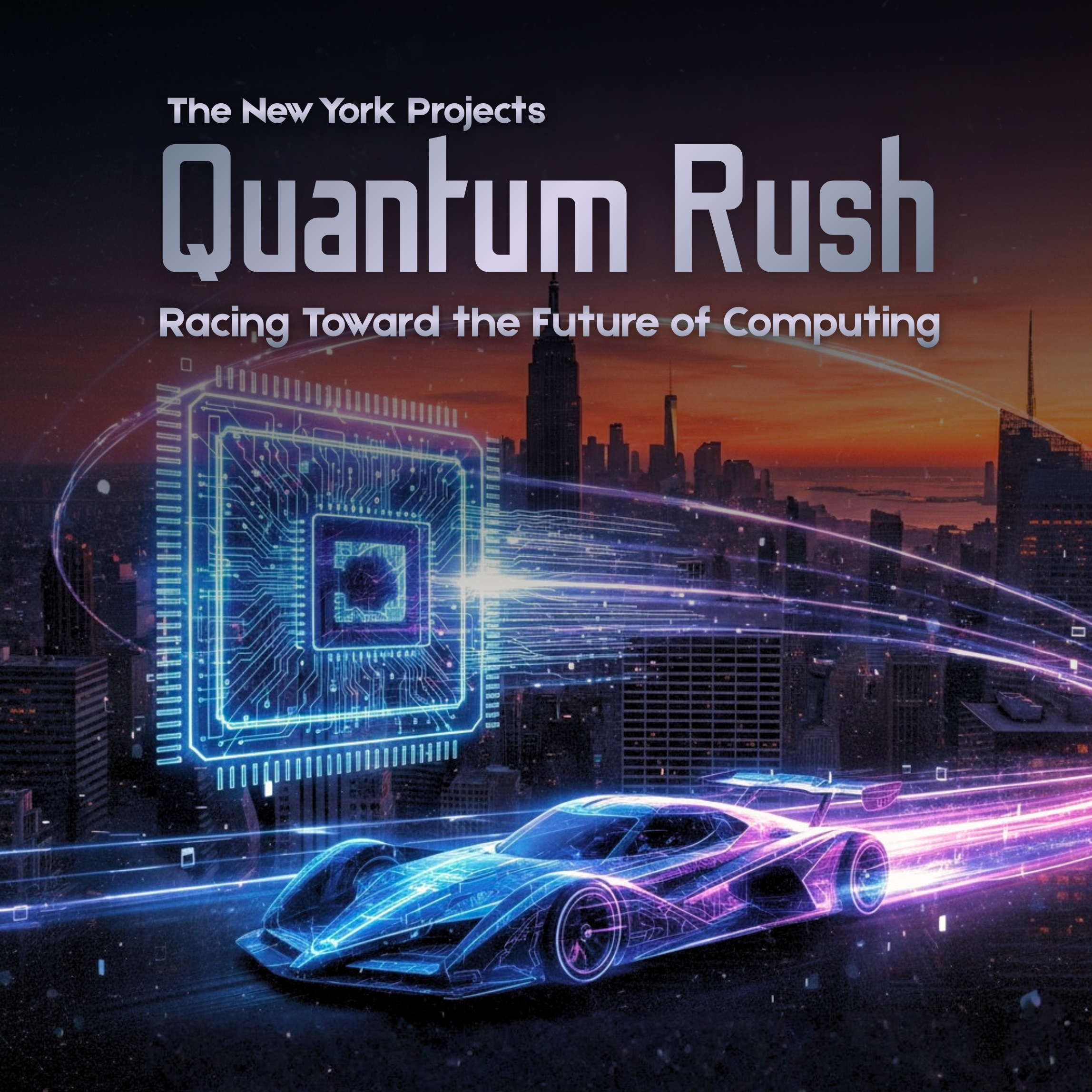
By Quantum Rush: The New York Projects Racing Toward the Future of Computing
From university labs to Wall Street startups, New York is becoming a hub for quantum breakthroughs , shaping the city’s next big tech boom.
The Quantum Clock Is Ticking
New York is on a mission to lead the next wave of computing. And the race is speeding up. Across the city, new labs, startups, and public projects are turning the dream of quantum computing into a real, growing industry.
Earlier this year, Governor Kathy Hochul announced a $400 million initiative to strengthen New York’s advanced computing infrastructure. The goal? To make the state a national leader in quantum technology, a field that could one day solve problems current computers can’t even touch.
According to McKinsey & Company, the global quantum computing market could reach $1.3 trillion by 2035 (McKinsey, 2023). New York wants a big piece of that future.
From Labs to Landmarks
At Columbia University and NYU, scientists are working on what they call “quantum materials” ,special substances that allow particles to act in strange, powerful ways. These materials form the heart of quantum chips, the tiny engines that make quantum computing possible.
Meanwhile, IBM’s Quantum Research Center in Poughkeepsie, just a few hours from Manhattan, is expanding its quantum systems , including the 127-qubit Eagle processor. These projects could soon link up with local startups and research centers in the city, creating a network that rivals Silicon Valley.
New York’s tech scene is buzzing. Quantum startups like Riverlane and SandboxAQ have opened offices here, aiming to bridge research with real-world uses , from finance to medicine.
Wall Street Meets Quantum
Quantum computing isn’t just about science. It’s about money, too.
Banks and trading firms across Manhattan are exploring how quantum power can make sense of massive data faster than ever before. JPMorgan Chase has already tested quantum algorithms for portfolio optimization and fraud detection.
As one finance analyst put it.
“Quantum computing could cut decision-making time in half. In trading, that’s everything.”
If these systems go mainstream, they could reshape the way New York’s financial world moves, making the city even more data-driven and globally competitive.
The Human Side of the Quantum Race
For everyday New Yorkers, the rise of quantum tech could mean new jobs, new skills, and new opportunities.
A 2024 report by IBM estimated that quantum-related jobs could grow by 135% globally over the next decade (IBM Quantum Report, 2024). This includes not only physicists and engineers but also software developers, data analysts, and cybersecurity experts.
At a Midtown tech event last month, 25-year-old programmer Maria Lin said.
“I used to work on regular AI models. Now, my team is training to run them on quantum systems. It feels like the future is happening right here.”
Local universities are already adapting. CUNY recently introduced new courses in quantum computing fundamentals, preparing students for roles that didn’t exist just five years ago.
Challenges on the Road Ahead
Still, the road isn’t smooth. Quantum machines are fragile, often requiring temperatures near absolute zero to operate. The technology is expensive and still in its early stages.
Experts warn that commercial quantum computing may still be 5 to 10 years away from widespread use (MIT Technology Review, 2024).
But for New York, investing early means shaping that future instead of waiting for it.
Voices from the Field
“New York is uniquely positioned,” says Dr. Alan Greer, a leading researcher at Columbia’s Quantum Lab. “We have top talent, strong finance, and global influence. Once the technology matures, the city could become the quantum capital of the world.”
City officials share that optimism. The New York State Energy Research and Development Authority (NYSERDA) recently announced grants to fund sustainable energy solutions powered by quantum modeling , showing how this technology could also help fight climate change.
A City Racing Toward Tomorrow
Quantum computing may still sound like science fiction. But in New York, it’s already part of the city’s reality, from classrooms and research hubs to boardrooms and Wall Street screens.
Each project brings the city a little closer to the future , one qubit at a time.
The question is no longer if New York will join the quantum race. It’s how far ahead it can go.
Reporting by The Daily Newyorks Staff Writer.