
 By
By Million Trees, One Mission: The Green Project Transforming New York
New York’s most ambitious green campaign is turning concrete into canopy. One tree at a time.
A City Growing Greener
New York City, once known for its endless skyline, is now growing a new kind of beauty — millions of trees spreading across streets, parks, and rooftops. The city’s latest initiative, called The Green Project, aims to plant one million trees by 2030, reshaping how New Yorkers live and breathe.
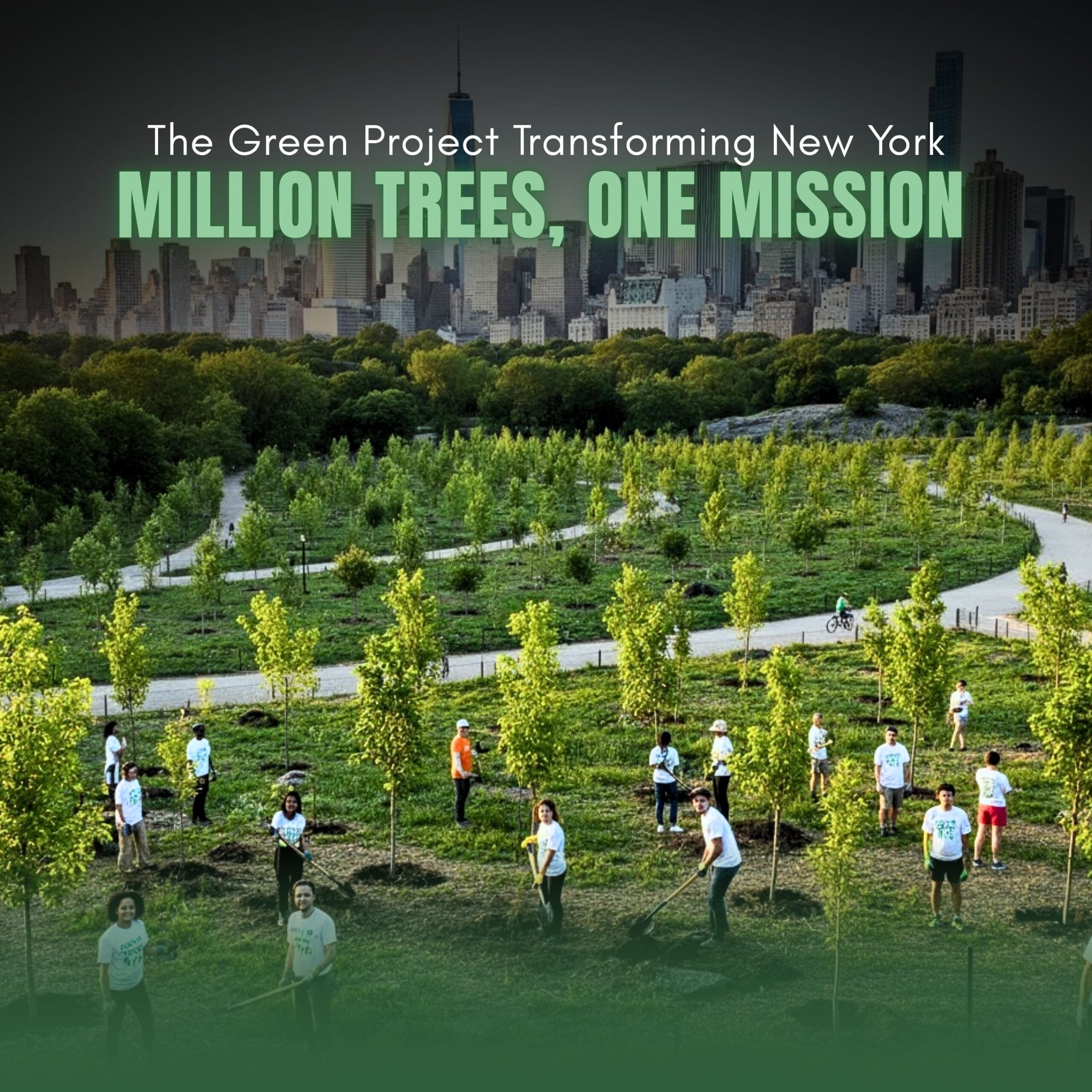
Last month, volunteers gathered in Central Park to celebrate the planting of the 400,000th tree. Schoolchildren, city workers, and local businesses joined hands to dig, plant, and smile. “It’s more than just planting trees, it’s planting hope,” said City Green Commissioner Laura Bennett during the event.
The Roots of the Mission
The Green Project began in 2021, inspired by growing concerns about climate change and rising city temperatures. According to the New York City Environmental Protection Department, the city’s average summer temperature has risen by 2.2°F since the 1970s. Trees help fight this “urban heat island effect” by providing shade and cooling the air through evaporation.
City planners estimate that one mature tree can cool the surrounding area by up to 10°F, a big difference for people walking home on a hot day.
But this mission is about more than comfort. It’s about survival. Studies from the U.S. Forest Service show that every 1,000 trees planted can remove around 48 tons of carbon dioxide from the air annually. That’s the same as taking ten cars off the road for a year.
Why Trees Matter to New Yorkers
From the Bronx to Brooklyn, The Green Project has become a symbol of unity. It’s not just about making the city look pretty, it’s about making it livable.
Air pollution kills an estimated 2,300 New Yorkers each year, according to a Columbia University report. Trees act as natural air filters, trapping dust, smoke, and harmful gases.
Green spaces also lower stress, improve mental health, and encourage exercise. Parks shaded by trees have seen a 25% rise in visitors since the project began, according to the city’s Parks Department.
For families, this means more outdoor playtime. For seniors, it means cooler neighborhoods and cleaner air. And for small businesses, it brings more foot traffic and energy savings.
Planting in Every Borough
The project has roots in all five boroughs. In the Bronx, community groups are transforming empty lots into green hubs. Brooklyn is lining its busy streets with new saplings. Queens and Staten Island are restoring wetlands and coastal areas. Manhattan’s rooftops are turning into small forests with help from private companies.
More than 200 schools have joined the “Grow with Green” program, teaching students to care for trees and understand their environmental role. Kids are learning how a single tree supports birds, bees, and even city cooling systems.
“Children are the heart of this mission,” said teacher Maria Ortega from P.S. 85 in Queens.
“They plant with joy, and they learn that small acts can change the world.”
Challenges Beneath the Soil
While progress is steady, the mission faces hurdles. Urban planting isn’t easy. Space is limited, and not all areas have good soil. City workers often need to break through concrete and install special root systems to help trees survive.
Funding is another challenge. The city has allocated $250 million for the first phase, but officials say public-private partnerships will be key to reaching the million-tree goal. Local businesses are already stepping up, donating funds, tools, and volunteers.
Environmental groups warn that tree maintenance is as important as planting. Without care, up to 30% of young trees can die within three years. The city is now training more volunteers to water, prune, and monitor growth.
A Greener Economy
The Green Project isn’t just changing the landscape, it’s boosting the economy too. The New York State Department of Labor reports that green jobs have grown by 12% since 2022, thanks to new roles in landscaping, nursery management, and environmental education.
The city is also saving money. Studies show that trees can reduce stormwater runoff, lowering flood damage costs by millions each year. “Every dollar spent on planting trees returns about five dollars in long-term benefits,” said an environmental economist from NYU.
Voices from the Ground
Local residents say they can already feel the difference. “The air smells cleaner, and the streets look alive again,” said Brooklyn shop owner Jamal Peters, whose café sits under a row of new cherry blossom trees.
“People stop by more often just to enjoy the view.”
City leaders echo that optimism. “This project is proof that big cities can breathe green,” said Mayor Eric Adams at a recent press briefing.
“Our goal isn’t just a million trees. It’s a million reasons to love New York even more.”
The Forest of the Future
As the project heads toward its halfway mark, the vision is expanding. City officials are testing smart sensors that track soil moisture and air quality around trees. These tools could help maintain healthier urban forests for decades.
The long-term goal is not just to plant but to protect, ensuring these trees survive future storms, heat waves, and urban growth. The Green Project team hopes to partner with local schools and nonprofits to create “tree guardians” in every neighborhood.
One City, One Canopy
New York’s Green Project stands as a quiet revolution, not made of steel or screens, but of roots and leaves. Each tree planted adds to a growing promise: a cleaner, cooler, and kinder city.
As volunteers gathered under a bright autumn sky, a small boy held a sapling in his hands and said, “This tree will grow taller than me.”
And maybe, that’s the real story, a city growing tall with hope.
The mission to plant one million trees is more than a green campaign; it’s a blueprint for how cities can fight climate change from the ground up. The real question now is: How many trees will it take before every city joins New York’s mission?
Reporting by The Daily Newyorks Staff Writer.