

 By
By Green Glam: Sustainable Fashion Takes Over New York Boutiques in 2026
From thrift shops to luxury labels, New York’s fashion scene is turning green. The city’s boutiques are leading a quiet but powerful shift toward sustainable style.
A City Dressed in Change
New York’s fashion world is getting a new look in 2026. This time, it’s not about glitter or leather,it’s about going green. Walk down SoHo or Williamsburg, and you’ll see it everywhere. Stores are swapping plastic bags for paper, using recycled fabrics, and selling secondhand collections with pride.
According to a recent report by the Council of Fashion Designers of America (CFDA), over 60% of U.S. fashion companies now include sustainable materials in their products (source). In New York alone, more than 200 boutiques have joined local eco-fashion programs. This is not just a style trend,it’s a movement.
Why Green Fashion Matters in 2026
Fashion is one of the world’s biggest polluters. The United Nations Environment Programme says the fashion industry is responsible for 10% of global carbon emissions and 20% of wastewater (source). Fast fashion, where clothes are made quickly and cheaply, has flooded landfills with tons of waste.
But New Yorkers are choosing differently. From students to celebrities, many are shopping smarter and buying less. Recycled cotton, plant-based leather, and handmade designs are gaining love. Local brands are showing that eco-friendly can still be trendy.
Inside New York’s Green Boutiques
In Brooklyn, Beacon’s Closet has long been the go-to spot for secondhand treasures. It’s where you can find designer jeans for half the price and help the planet while doing it. Over in SoHo, Reformation uses eco-certified fabrics and offsets its carbon footprint with clean energy. Every tag includes details about water savings and emissions cuts.
Then there’s Stella McCartney, a pioneer in luxury sustainability. Her Manhattan boutique runs entirely on renewable power. According to the brand, 99% of its leather alternatives are made from plant-based or recycled materials.
These stores aren’t just selling clothes,they’re telling a story of conscious living. It’s about wearing what feels good, inside and out.
The Rise of Thrift and Rental Culture
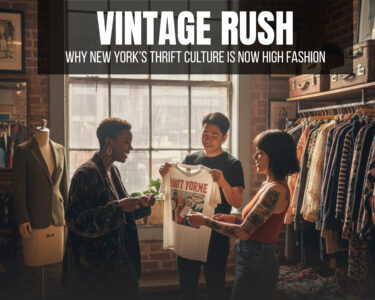
A few years ago, thrift shopping was seen as old-fashioned. In 2026, it’s a lifestyle. Apps like Depop and Poshmark have made reselling cool again, especially among Gen Z buyers. A report from ThredUp shows that the U.S. secondhand market is expected to grow three times faster than the global apparel market by 2030 (source).
New York’s rental scene is booming too. Services like Rent the Runway, headquartered right in Manhattan, let users borrow designer pieces instead of buying new ones. It’s perfect for parties, weddings, or just a night out. Less waste, more style.
Impact on New Yorkers
This green wave is changing how New Yorkers shop and work. Small businesses are benefiting from growing demand for ethical products. Many local designers have started workshops where people learn to upcycle old clothes or repair what they already own.
The city’s economy is feeling it too. According to the New York City Economic Development Corporation (NYCEDC), sustainable fashion could create up to 10,000 new jobs in design, recycling, and manufacturing over the next decade (source). That means more creativity and less waste in the long run.
Even shoppers are saving money. Buying secondhand often costs 40–70% less than new retail prices. It’s fashion with both sense and cents.
Voices from the Scene
“We’re not just selling clothes, we’re sharing values,” says Lena Torres, owner of Thread Loop, a boutique in the East Village. “People come in asking where their clothes come from. They care now. That’s a big change.”
Fashion student Aiden Brooks adds, “Sustainability used to sound boring, but now it’s the future. You can look cool and still do good.”
Even city officials are paying attention. A representative from the NYC Mayor’s Office of Climate & Environmental Justice noted that sustainable retail helps reduce waste while supporting local craftsmanship. “It’s a win-win for the planet and the people,” they said.
Challenges on the Runway
Still, not everything is perfect. Green fashion can be expensive to produce, and some brands use “eco-friendly” as a label without real action, a problem called greenwashing. Experts say it’s important for customers to check labels and ask questions.
“Real sustainability means full transparency,” says Dr. Mariah Lee, a fashion researcher at Parsons School of Design. “It’s about knowing where materials come from, how workers are treated, and how long a piece will last.”
But even small changes matter. Buying one less fast-fashion item a month can reduce your personal carbon footprint and water waste significantly. When multiplied by millions of people, the impact becomes huge.
The Road Ahead
New York’s role as a fashion capital gives it power to lead global change. As big brands shift toward eco lines, local designers are setting the bar even higher. Many now use fabrics made from ocean plastics or leftover textiles from previous collections.
Events like NYC Sustainable Fashion Week, which starts next spring, aim to bring together designers, activists, and educators to discuss the next steps. From recycling workshops to zero-waste runway shows, it’s a reminder that style and sustainability can walk hand in hand.
Final Word
The green glam era isn’t just about what we wear,it’s about what we believe. New York’s boutiques are proving that fashion can care, that trends can have purpose, and that style can serve the planet instead of harming it.
So next time you walk into a store, look for clothes that tell a story. Maybe it’s a shirt made from old denim or a bag crafted from cork. Every small choice adds up.
The question is, will this fashion revolution stay on the runway, or will it become the new normal for all New Yorkers in 2026? Only time, and style, will tell.
Reporting by The Daily Newyorks Staff Writer.