

 By
By Breaking the Buzz | Stories Lighting Up New York Right Now
Traffic drops, jobs grow and change sweeps across the city
Daily life in New York City is shifting under our feet. A big change in traffic, fresh jobs arriving and smart city moves are making more headlines than ever. The city is not standing still, and what this means for New Yorkers is worth paying attention to today.
Traffic Takes a Turn
For years, driving into downtown Manhattan meant slow moves, honking horns and heavy congestion. But the city launched a new plan in January 2025 called the “congestion relief zone” a toll for cars entering below 60th Street. Early data show the change is real.
For example, about 67,000 fewer vehicles enter the toll zone each day than before. amNewYork Traffic delays in the zone dropped by 25 % and across the region by about 9 %. CBS News That means less time spent in the car and perhaps more time to breathe.
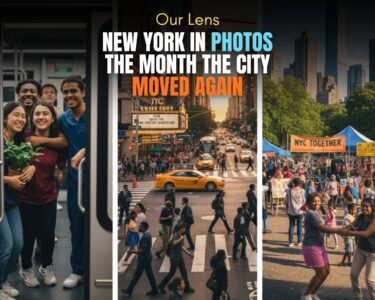
These early wins feed into the idea that the city is trying to rethink how people move around. More pedestrians, more transit, fewer cars; this feels like a visible shift on New York’s streets.
Jobs and the Economy at a Glance
While traffic got less, the job scene is quietly moving too. In August 2025, the private sector in New York added about 82,300 jobs over the year, reaching roughly 4.24 million employed in that sector. Department of Labor
The unemployment rate for the city stood at 4.9 %, slightly lower than earlier. Department of Labor
At the same time, the city is still wrestling with uneven growth. A report notes private-sector job growth in New York was just 0.2 % in the first half of 2025, far lower than national levels. pfnyc.orgSo yes, jobs are coming back. But the pace and spread of that recovery remain uneven.
Streets, Safety, Lifestyle: What’s Changing
What does all this mean for people living here? For starters, fewer cars mean cleaner air, quieter streets and safer zones for walking or biking. In the congestion zone, crash injuries are reported to be down about 15 %. NY1 For commuters, less time stuck means more time for work or home life. For small businesses near foot-traffic zones, more pedestrians may bring more customers.
On the job front, having more opportunities means more people can plan for the future. But slower growth means some workers still face uncertainty. And when jobs are concentrated in just a few sectors, that creates risk if those areas slow down.
Expert & Citizen Voices
- “The traffic numbers tell a clear story, when you reduce the cars and build up transit, city life wins,” said transport analyst Maria Lee of Urban Moves Consultancy.
- “I feel it,” says Jenny, a Brooklyn commuter. “My bus got here faster and the streets feel a little quieter on the way home.”
- City official Mike Roberts added, “This is not just about tolls, it’s about shifting how we move, work and live in New York.”
What’s Next for New Yorkers
The next steps matter. Will transit continue to pick up speed? Will job growth spread across more neighbourhoods? Will traffic gains hold as things change?
As families and workers in New York look ahead, the key will be how these shifts ripple into daily life. Less driving is good. Faster trips are better. But the city will need to keep its foot on the gas when it comes to job-growth support and transit investments.
My Opinion
New York City is seeing change on multiple fronts, traffic slow-downs, job upticks, shifts in how people get around. For New Yorkers, this means opportunity, but also the need for patience. The full benefits won’t arrive overnight. The question for the city now: will the momentum hold, and will everyday residents feel it in their lives?
Reporting by The Daily Newyorks Staff Writer.