

 By
By Ballots and Battles: How New York’s 2025 Election Is Still Splitting the City in 2026
As New York moves into 2026, the ballots from last year’s city election may be counted. But the divisions they exposed are far from settled.
Neighborhoods once united by shared ambition now feel split by politics, priorities, and power. From borough council meetings to subway platforms, the debates ignited during the 2025 election cycle continue to ripple through daily life, shaping how New Yorkers see their city, and each other.
What began as an election has become an ongoing reckoning.
The City That Votes, and Continues to Divide
New York has always been loud about its opinions. But the tone changed during the 2025 city election, and that intensity has carried directly into 2026.
Street corners, coffee shops, school pickup lines, and social media feeds remain active debate zones. Conversations that once felt theoretical now feel urgent and personal, about housing security, public safety, education, and the rising cost of simply staying in the city.
A Siena College poll released late in the election cycle found that 61% of New Yorkers believed the city was heading in the “wrong direction.” That sentiment has not faded with the calendar year. If anything, it has hardened, shaping how residents interpret every policy decision made in early 2026.
The Big Split: Progressives vs. Pragmatists
The most striking feature of the 2025 election wasn’t a party divide—it was an internal one.
On one side, progressive candidates pushed for sweeping change: aggressive climate action, police reform, expanded social housing, and deeper investment in public services. On the other hand, pragmatic and moderate voices emphasized public safety, economic stability, and restoring business confidence after years of uneven recovery.
That tug-of-war didn’t end on Election Day.
In City Hall and local councils, the same arguments now define early 2026 policymaking. Supporters of bold reform argue that incremental change is no longer enough. Critics warn that rapid shifts could destabilize a city already under economic pressure.
A New York Times citywide survey during the election found that crime and housing affordability were the top concerns for voters, with nearly 73% saying they struggled with rent or feared losing their homes, a concern that continues to dominate public hearings this year.
Housing: The Crisis That Carried Into 2026
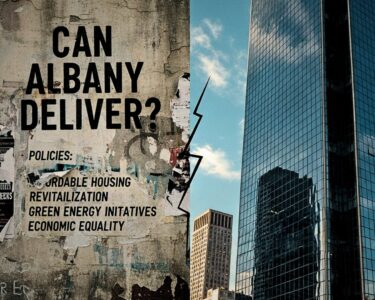
Housing was the election’s hottest issue, and remains the city’s most pressing problem in 2026.
By the end of 2025, Manhattan’s average monthly rent had climbed to $5,460, an 8% year-over-year increase. For many middle-class families, that number marked a breaking point.
Some elected officials entering office this year are pushing for rent caps, stronger tenant protections, and faster approvals for affordable housing. Others argue that heavy regulation risks scaring off developers, worsening supply shortages in the long term.
“I’ve lived here for 30 years and never felt this unsure about keeping my apartment,” said Maria Lopez, a Brooklyn resident.
“I don’t care who wins anymore. I just want someone who understands how hard it is to live here.”
As 2026 unfolds, stalled housing projects from the election year are now creating ripple effects: tighter inventory, higher rents, and growing migration out of the city.
Crime and Safety Remain Central to Daily Life
While housing dominates policy debates, public safety continues to shape how New Yorkers experience the city day to day.
Police data from late 2025 showed a 4% rise in property crime across the five boroughs, even as violent crime dipped slightly. The mixed data has done little to ease public concern.
The same fault lines from the election persist into 2026. Progressive leaders advocate community-based policing and expanded mental health services. Moderates call for increased patrols, faster response times, and visible enforcement.
“The debate isn’t just about police numbers,” said Dr. Alan Pierce, a political analyst at Columbia University.
“It’s about trust, who people believe can actually make the city feel safe again.”
The Economy: Recovery That Feels Uneven in 2026
By most indicators, New York’s economy has rebounded. Tourism returned strongly, with more than 56 million visitors in 2024, and early 2026 data suggests steady momentum.
Yet many residents feel left behind.
Office vacancy rates downtown remain near 20%, reshaping business districts and draining foot traffic from surrounding neighborhoods. Small businesses in outer boroughs report slower recoveries, higher operating costs, and fewer late-night customers.
Candidates promised job growth through tech hubs, clean energy, and small business tax relief. In 2026, voters are watching closely to see which promises turn into action.
“I’ve heard promises every election,” said Jamal Thompson, who runs a deli in Harlem.
“What I want is simple, lower taxes and customers who feel safe enough to come out at night.”
The Digital Battlefield Didn’t End After the Election
If the 2025 election proved anything, it’s that New York’s political battles now live online as much as on the streets.
Social platforms like TikTok and X (formerly Twitter) became central campaign tools, spreading ads, viral clips, and, often, misinformation. That digital intensity hasn’t slowed in 2026.
According to Pew Research, 64% of Americans say they struggle to tell what’s true on social media, a challenge that continues to shape civic trust and political discourse.
The city’s Board of Elections, preparing for future cycles, has cited a surge in online engagement and ballot requests as evidence that digital campaigning will only grow more influential.
What’s at Stake as New York Moves Deeper Into 2026
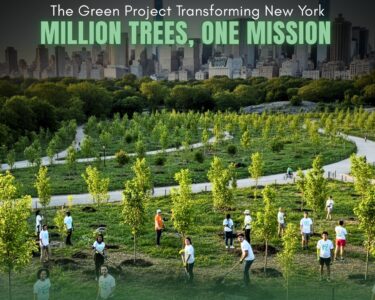
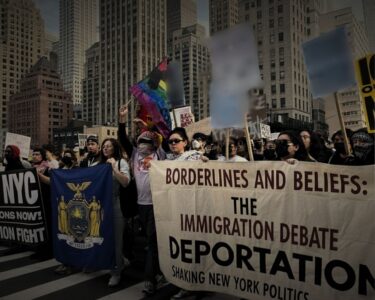
The aftershocks of the 2025 election are now shaping how New York approaches its biggest challenges, climate resilience, migration, affordability, and public trust.
Policy decisions made this year will determine whether the city leans into bold transformation or cautious stabilization. For many residents, the stakes are immediate and personal.
“If the next mayor can’t fix housing, I might have to leave,” said Elena Rivera, a public school teacher from Queens.
“But I still have hope. New York always finds a way.”
The Road Ahead
As 2026 unfolds, the campaign posters may be gone, but the debates remain everywhere, on sidewalks, in classrooms, and across kitchen tables.
No matter who won the election, the city itself is changed. The 2025 race didn’t just decide leadership; it reshaped how New Yorkers see their future.
Because in New York, elections are never just about ballots.
They’re about battles, and the belief that one vote can still change everything.
By The Daily NewYorks Staff